Car Suspension Diagram: Parts Names and How Front Suspension Works
Car Suspension Diagram: Parts Names and How Front Suspension Works
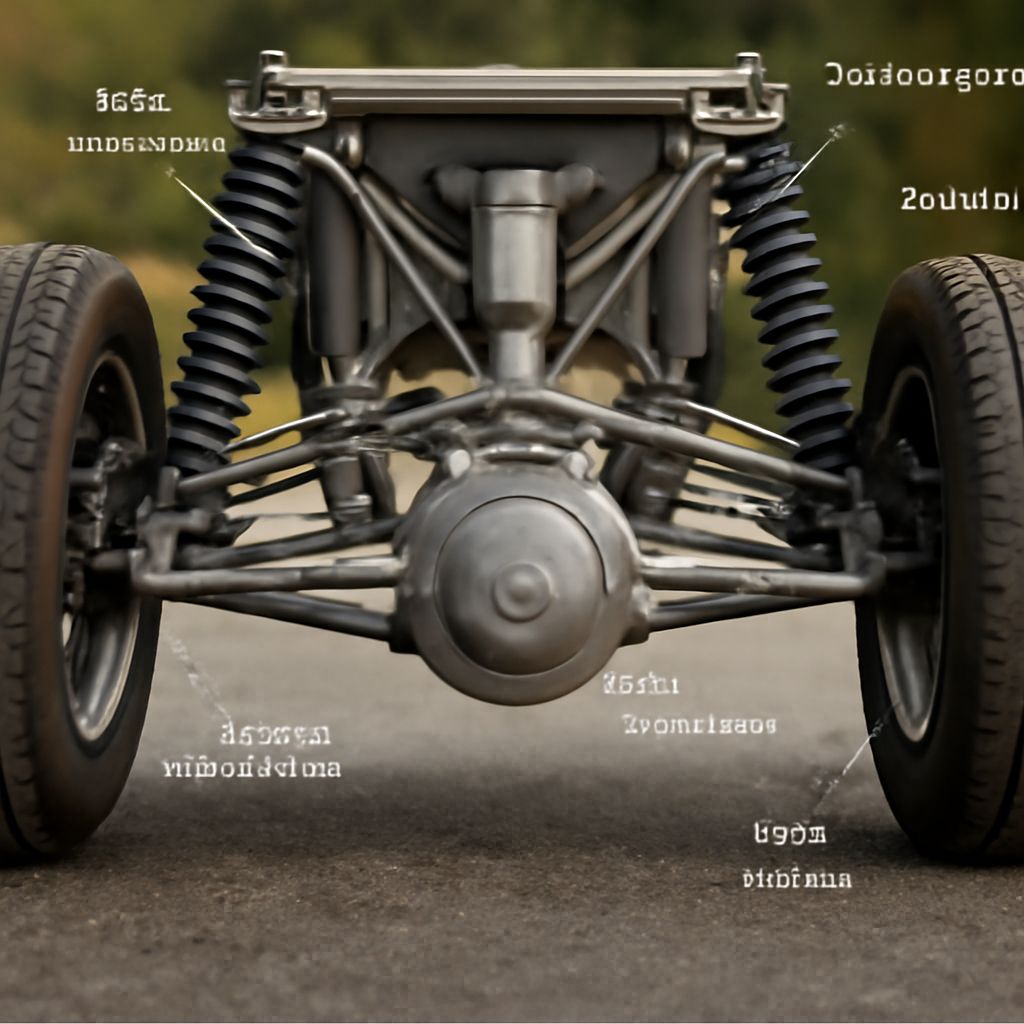
Understanding what holds your vehicle stable on the road is more useful than most drivers expect. A car suspension diagram maps out the components that absorb road impacts, maintain tire contact, and keep handling predictable. Reading a suspension parts diagram shows how each part connects and works within the larger system. Front suspension parts names appear frequently in repair estimates and mechanic conversations, and knowing what they refer to prevents confusion. A front end suspension diagram specifically illustrates the steering and spring assembly at the front axle. The suspension of a car is not a single component—it is a network of springs, dampers, links, and mounts that work together continuously.
Whether you are diagnosing a rattling noise, planning a modification, or just trying to follow a mechanic’s explanation, having a mental model of suspension geometry pays dividends.
Key Parts on a Car Suspension Diagram
Springs and Shock Absorbers
The coil spring is the primary energy-absorbing element in most modern passenger car suspensions. It compresses when the wheel hits a bump and extends as the wheel drops into a dip. The shock absorber (damper) controls how quickly that compression and extension happen, preventing the vehicle from bouncing repeatedly after a single impact.
Reading a suspension components diagram shows that the spring and shock absorber often form a single unit called a strut in MacPherson strut designs. In double-wishbone systems, they are separate components. The arrangement differs visibly in a front end suspension diagram for each design type.
Control Arms and Ball Joints
Control arms link the wheel hub assembly to the vehicle frame, allowing vertical movement while limiting lateral motion. Upper and lower control arms appear in double-wishbone designs. A front suspension parts diagram will typically label the lower control arm as the larger, more robust of the two.
Ball joints connect the control arms to the steering knuckle. They allow the wheel to pivot for steering while also moving up and down with the suspension travel. Worn ball joints are a safety concern because they can separate, causing sudden loss of steering control.
Understanding Front End Suspension Components
Steering Knuckle and Wheel Hub
The steering knuckle is the pivot point around which the wheel turns when you steer. It connects to the control arms through ball joints and to the tie rod, which links the steering rack to the wheel. Any front end suspension layout diagram will show the steering knuckle as a central hub connecting several components.
The wheel hub sits inside the knuckle and holds the wheel bearing. The bearing allows the wheel to spin freely while the knuckle and suspension components remain stationary. Hub failure results in a grinding noise that worsens with speed.
Sway Bar and End Links
The sway bar (also called the anti-roll bar) is a torsional spring that links the left and right sides of the suspension. When one wheel rises and the other drops—as during cornering—the sway bar twists and resists the difference in height, reducing body lean.
Sway bar end links are small rods that attach the bar to the control arms or struts. They are a common source of clicking or knocking sounds over bumps and are inexpensive to replace.
How the Suspension of a Car Works as a System
Each component in the suspension diagram has a defined role, but they function as an integrated system. A worn bushing on a control arm changes the suspension geometry slightly, which in turn affects tire wear, steering feel, and handling. Replacing a single component without inspecting the surrounding parts can leave an underlying problem unaddressed.
When reviewing a car suspension schematic before a repair appointment, note which components your mechanic plans to replace and ask how the surrounding parts will be inspected. Understanding the diagram helps you ask specific questions and evaluate the scope of work being proposed.
Pro tips recap: Study a labeled front suspension diagram before any repair conversation. Know the difference between a strut and a shock-plus-spring setup. Ask your technician to show you the worn component on the vehicle so you can see the failure firsthand before authorizing the repair.