How to Become a Hospice Nurse: Certification, Careers, and What the Work Involves
How to Become a Hospice Nurse: Certification, Careers, and What the Work Involves
Hospice nursing is one of the most meaningful and emotionally demanding specialties in the profession. How to become a hospice nurse starts with RN licensure and clinical experience in areas like oncology, internal medicine, or home health. Hospice nurse certification formalizes your expertise and signals commitment to palliative care principles. Forensic nurse certification is a related but distinct credential—it applies to nurses who work with victims of violence or in medicolegal settings, not end-of-life care. The certified hospice and palliative nurse (CHPN) credential is awarded by the Hospice and Palliative Credentialing Center (HPCC) and requires passing a standardized exam plus meeting clinical hour requirements. Hospice nurse quotes from practitioners in the field often reflect a common theme: this work demands comfort with mortality that few other nursing roles require.
If you are considering this path, understanding the concrete steps toward certification and what the daily role involves helps you make an informed career decision.
Steps to Become a Hospice Nurse
Education and Licensure Requirements
Becoming a registered nurse is the foundation of a hospice nursing career. An ADN or BSN provides the initial pathway, and while a bachelor’s degree is increasingly preferred by hospice employers, it is not always required. Clinical experience in areas involving serious illness—oncology, palliative care, internal medicine—builds the skills most directly applicable to hospice work.
Many employers require one to two years of RN experience before considering applicants for hospice nurse positions. Some hospice agencies provide structured orientation programs for nurses transitioning from hospital roles.
Earning the CHPN Credential
The certified hospice and palliative nurse credential requires two years of licensed practice as an RN and at least 500 hours of hospice or palliative nursing practice within the preceding 12 months before applying. Candidates then pass a computer-based exam covering domains including symptom management, care at the end of life, and ethical and legal dimensions of palliative practice.
Becoming a certified hospice and palliative care nurse renews every four years through continuing education or re-examination. The certification is widely recognized by hospice agencies and may affect pay rates and advancement opportunities.
Forensic Nurse Certification: A Different Path
Forensic nurse certification is sometimes confused with hospice nursing because both involve sensitive and complex patient situations. Forensic nursing, however, focuses on patients who have experienced violence, sexual assault, or other traumatic injuries. The Sexual Assault Nurse Examiner (SANE) credential and the Certified Forensic Nurse (CFN) credential are the primary certifications in this area.
Pursuing a forensic nurse certification pathway suits nurses who want to work in emergency departments, correctional health, or with law enforcement agencies rather than in end-of-life care settings.
What Hospice Nurse Life Looks Like Day to Day
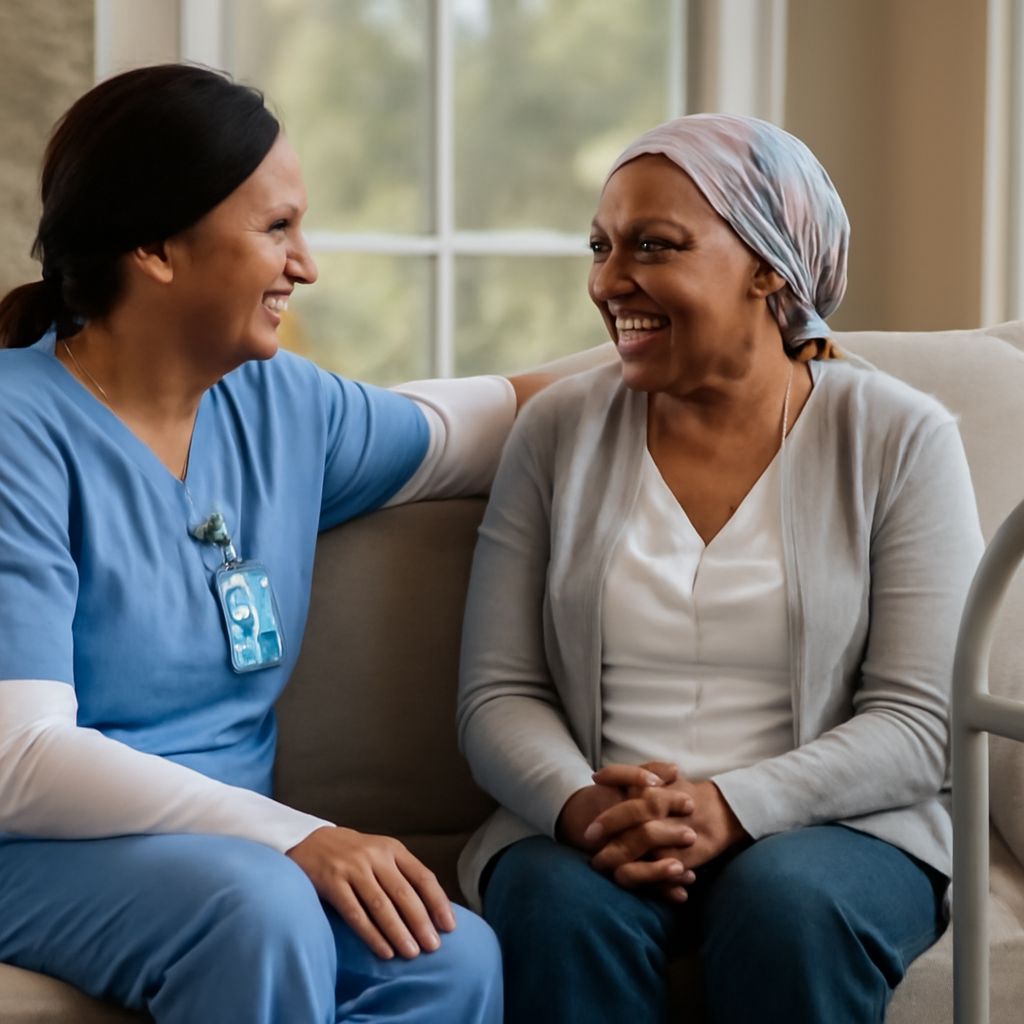
Hospice nurses typically manage a caseload of patients in home or facility settings, visiting regularly to assess symptom control, adjust medications, and support family caregivers. Pain and symptom management—particularly managing dyspnea, anxiety, and pain at end of life—is a central clinical focus.
Hospice nurse practice quotes from experienced nurses frequently mention the privilege of being present with patients and families during one of life’s most significant transitions. The emotional toll is real and requires intentional self-care, peer support, and professional debriefing.
On-call responsibilities are common in hospice nursing. Most agencies require nurses to be available by phone and sometimes in person outside scheduled hours, particularly for patients who are actively dying.
Pro tips recap: Build your palliative care experience before applying to hospice positions by seeking out oncology or complex care rotations. Study the CHPN exam content outline early in your career so you accumulate relevant hours strategically. Connect with certified hospice and palliative nursing professionals through the HPCC or specialty nursing organizations to learn what the role involves before committing to the transition.