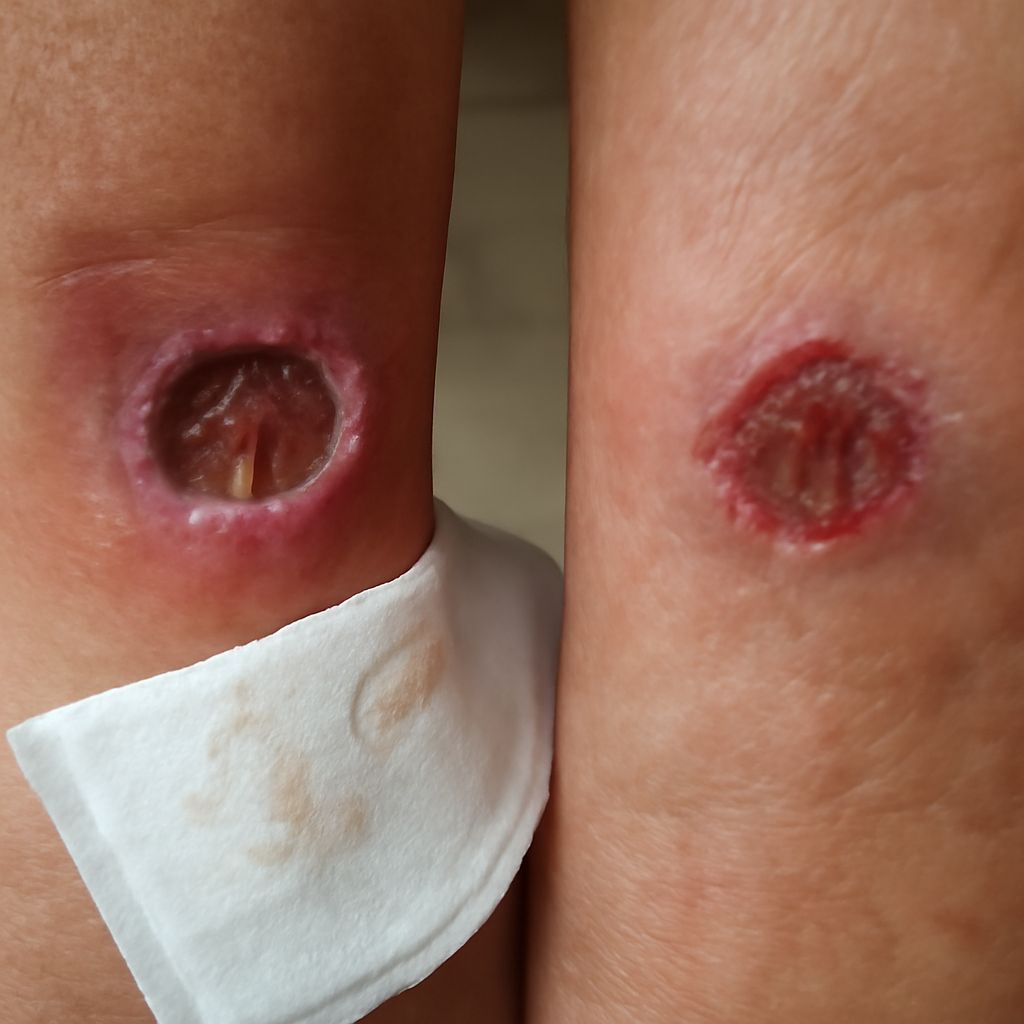
Skin Biopsy Healing: What to Expect After a Shave or Punch Biopsy
Skin Biopsy Healing: Recovery, Aftercare, and Signs of Infection
Skin biopsy healing follows a predictable trajectory for most patients, but the timeline varies depending on the biopsy technique used. Shave biopsy healing typically progresses faster because the wound is shallower — most sites re-epithelialize within one to two weeks. Punch biopsy aftercare requires more attention since this technique removes a cylindrical plug of skin and usually involves one or two sutures. Skin biopsy infection is uncommon but recognizable: increasing redness, warmth, swelling, and discharge after the first two days are warning signs. Shave biopsy healing time runs roughly seven to fourteen days for surface closure, though full dermal remodeling continues for months.
Knowing what normal healing looks like helps you distinguish routine wound changes from complications that warrant a call to your provider.
Normal Healing After a Shave Biopsy
A shave biopsy wound initially appears as a shallow pink or red oval. A thin crust forms within the first 24 to 48 hours. The wound should feel dry and slightly tender but not increasingly painful after the first day. Crusting and peeling over five to ten days is expected as new skin forms beneath. Once the crust sloughs off naturally, a pink or slightly depigmented patch remains and continues to fade over weeks to months. Picking at the crust delays shave biopsy healing and increases scar risk.
Punch Biopsy Aftercare Steps
Punch biopsy sites with sutures require daily cleaning with mild soap and water or saline, followed by a thin layer of petrolatum and a non-stick dressing. Sutures are typically removed at five to seven days for face wounds and ten to fourteen days for body sites. Proper punch biopsy aftercare prevents infection and minimizes scar formation. Keep the wound dry for the first 24 hours unless otherwise directed. Avoid soaking the site in pools or baths until healing is complete.
Recognizing Skin Biopsy Infection
Mild redness immediately surrounding a fresh biopsy site is normal. A skin biopsy infection shows expanding redness beyond the wound edges, increasing pain rather than decreasing pain after day two, warmth, and sometimes purulent discharge. Fever is uncommon with localized wound infection but should prompt a clinical evaluation. Patients who are immunocompromised or diabetic have higher infection risk and should monitor their healing sites more closely. Any signs suggesting infection should be evaluated by the provider who performed the procedure rather than managed independently.