Vision Prescription Explained: Axis, 20/40 Vision, and Why Contacts Need a Prescription
Vision Prescription Explained: Axis, 20/40 Vision, and Why Contacts Need a Prescription
Reading a vision prescription for the first time is a bit like trying to read a map in a foreign language. The numbers, abbreviations, and plus or minus signs convey precise optical information about your eyes, but they are written for opticians and dispensing professionals rather than patients. A basic understanding of what a glasses prescription axis means, what 20/40 vision prescription numbers represent, and why contacts require their own prescription separate from glasses helps patients ask better questions and make better decisions about their vision care.
Why do you need a prescription for contacts even when you already have glasses? This is one of the most common questions patients ask, and the answer has both clinical and regulatory dimensions. Funny prescription labels are a source of amusement in pharmacy and optical contexts, but understanding the real prescription you receive is what keeps your eyes healthy and your vision correction accurate.
How to Read a Vision Prescription
A standard eyeglass prescription contains values for each eye labeled OD (right eye) and OS (left eye) and sometimes OU (both eyes together). Each eye has three primary values: sphere (SPH), cylinder (CYL), and axis. The sphere value corrects for nearsightedness (negative number) or farsightedness (positive number). The cylinder value addresses astigmatism, which is an irregular curvature of the cornea or lens that causes blurred vision at all distances.
The glasses prescription axis is a number between 1 and 180 degrees that indicates the orientation of your astigmatism. It specifies the direction in which the cylindrical correction should be applied. Two patients with identical sphere and cylinder values but different axis numbers will have significantly different prescriptions and should not share glasses. The axis value is derived from your eye measurement during refraction and is highly individual.
Add power (ADD) appears on prescriptions for patients who wear bifocals or progressives. This value represents the additional magnifying power needed for near vision, typically applied in the lower portion of a progressive or bifocal lens. Prism values, which appear on prescriptions for patients with eye alignment problems, specify the amount of prismatic correction needed to help the eyes work together comfortably.
What 20/40 Vision Prescription Numbers Mean
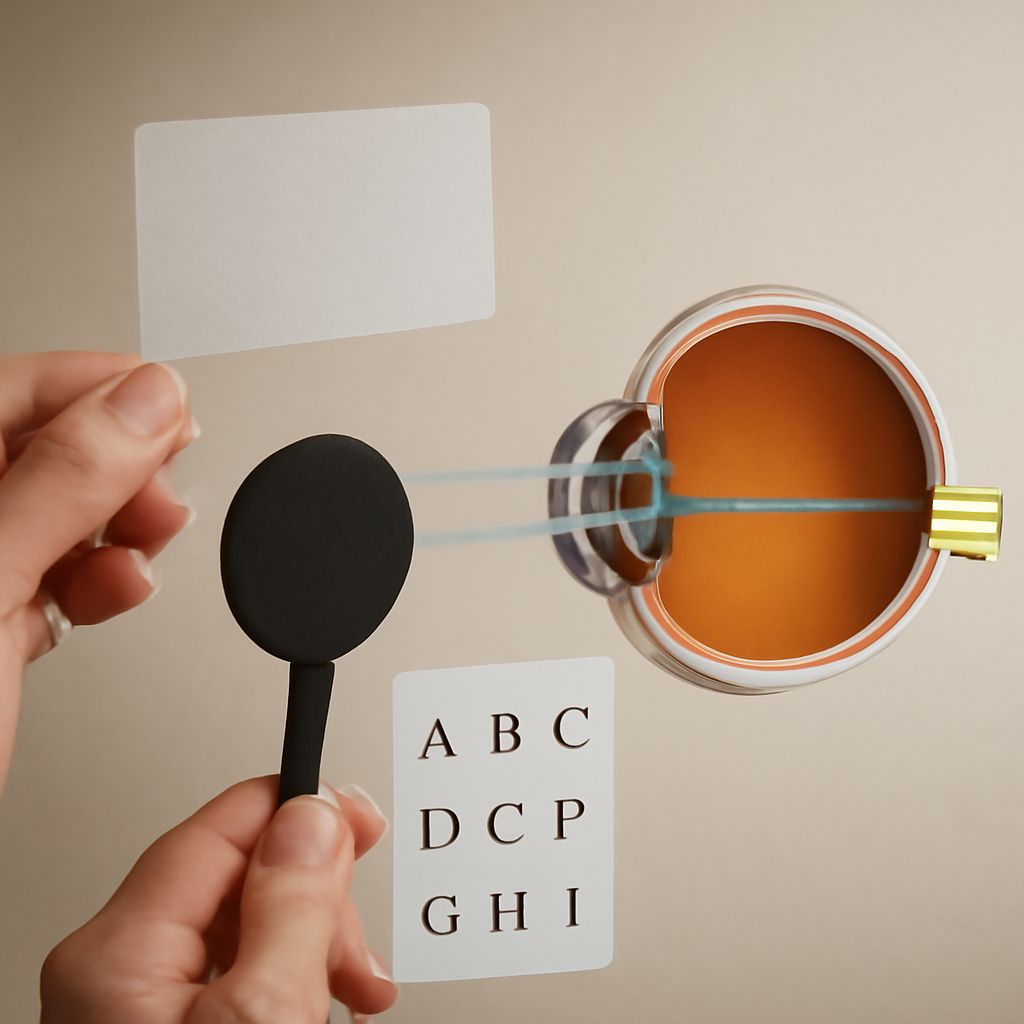
Visual acuity expressed as 20/40 means that what a person with standard vision can see clearly at 40 feet, the tested individual can only see clearly at 20 feet. The first number in the fraction is always the testing distance, standardized at 20 feet in the US system. The second number represents the size of the smallest letters read correctly on a standardized chart. A 20/40 vision prescription indicates mild to moderate visual impairment that, depending on state law, may or may not restrict driving without correction.
The prescription numbers in sphere, cylinder, and axis units are separate from the Snellen fraction acuity measurement, though they are related. A person with a sphere value of -0.50 diopters may have visual acuity around 20/40, while a person with -6.00 diopters has much more significant uncorrected visual impairment. The prescription values represent the correction needed; the acuity measurement represents the functional result without correction.
20/40 is the threshold required by most states for a driver license without corrective lenses. Patients with 20/40 uncorrected acuity who choose not to wear their prescribed correction are still typically legal to drive but may struggle in poor lighting or at highway speeds. Wearing the prescribed correction restores functional acuity to whatever level the corrected measurement shows, typically 20/20 or close to it for most straightforward prescriptions.
Why You Need a Prescription for Contacts
Contact lenses are classified as medical devices under federal law, and a current prescription is required to purchase them regardless of whether the prescription is for corrective or cosmetic non-prescription lenses. The prescription requirement exists because contact lenses sit directly on the cornea and carry health risks including corneal hypoxia, infection, and mechanical injury that glasses do not. An optometrist or ophthalmologist must verify that your corneal health, tear film, and lid anatomy are appropriate for contact lens wear and that the specific lens parameters fit your eyes correctly.
A contact lens prescription differs from a glasses prescription in several specific ways. Contact prescriptions include the base curve, which is the curvature of the back surface of the lens, and the diameter of the lens, both of which must match your corneal geometry. The power in a contact prescription is sometimes slightly different from the glasses prescription power because the correction occurs on the eye rather than at the 12-millimeter vertex distance in front of the eye, affecting the effective power for higher corrections.
Decorative contact lenses sold without a prescription, often found at Halloween stores or online, carry the same corneal injury and infection risks as corrective lenses. Wearing non-prescription decorative lenses purchased without a fitting carries documented risk of serious corneal injury including scarring. No cosmetic effect justifies wearing contact lenses on an unexamined cornea without a current fitting.
Funny Prescription Labels and Practical Prescription Tips
Funny prescription labels appear in optical dispensing contexts as a way humor gets woven into otherwise clinical paperwork, but the label on your prescription is a legal document containing your protected health information. Keep your written prescription in a safe place. Both state law and federal regulation require that your prescribing provider give you a copy of your glasses prescription at the end of the examination, and contact lens prescriptions must be provided to you as well after a successful fitting.
Prescriptions expire, typically after one to two years depending on state regulation and the prescriber policy. An expired prescription cannot be used to purchase corrective lenses in most US states, though some allow a brief grace period. Scheduling annual eye exams maintains a current prescription and provides the opportunity to detect changes in vision correction needs before your prescription becomes significantly out of date.
If you are comparing prices online for glasses or contacts, having your prescription handy lets you enter accurate parameters on ordering websites. Entering an incorrect axis or cylinder value when ordering glasses online can result in lens-induced headaches, eye strain, or distortion. Verify the values on your printed prescription match what you enter on the order form before submitting, especially for cylinders above 1.00 diopter and axis values where a transposition is easy to make.