Semi Electric Hospital Bed, Trapeze, and Rental: A Complete Home Care Guide
Semi Electric Hospital Bed, Trapeze, and Rental: A Complete Home Care Guide
Setting up appropriate equipment for home care or long-term recovery requires understanding the range of hospital bed options available and what accessories like a hospital bed trapeze add to the care environment. The semi electric hospital bed is one of the most commonly used options in home care settings, offering a practical balance between manual and fully electric operation at a lower cost than fully powered models. Understanding the difference between a semi electric hospital bed and a rotating hospital bed, along with how hospital bed rental works, helps caregivers and patients make informed equipment decisions.
Hospital bed matress selection, addressed here with attention to both standard and specialty options, directly affects patient comfort and skin integrity during extended bed rest. The three most important things to consider in hospital bed rental decisions are also covered in this guide, giving families a practical framework before contacting a durable medical equipment supplier.
Semi Electric Hospital Bed: Features and Who It Suits
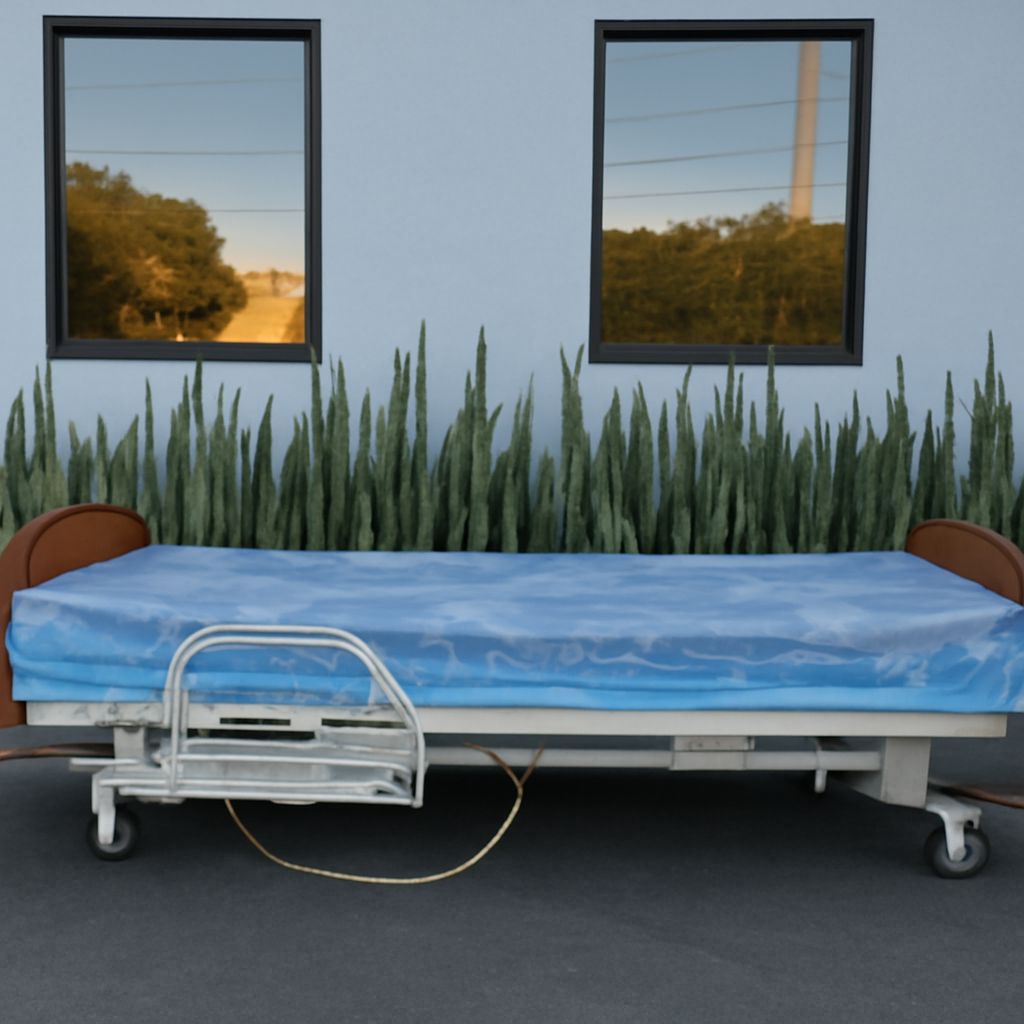
A semi electric hospital bed adjusts the head and foot sections electronically through a patient or caregiver hand control, while the overall bed height is adjusted manually using a hand crank mechanism. The electronic head and foot adjustment allows patients to move between lying flat, a reclined position, and a seated position at the touch of a button, which is the most frequently needed adjustment in home care. The manual height adjustment is used less frequently, typically only during care activities like dressing changes, transfers, or bathing, so the absence of powered height control is not a significant limitation for most home care situations.
Semi electric hospital beds are appropriate for patients who can reposition somewhat independently, whose caregiver is physically capable of adjusting bed height manually when needed, and for whom the lower cost of a semi electric model versus a fully electric model is a meaningful consideration. Home care situations involving patients who need frequent height adjustments by caregivers who cannot manage a hand crank, or where rapid height adjustment is needed for emergency transfers, are better suited to a fully electric bed.
Most semi electric home hospital beds use a standard 36 by 80 inch sleep surface that accommodates standard hospital bed mattresses and fits through standard doorways. Weight capacity ratings for standard models run 350 to 450 pounds. Bariatric patients above this weight range need bariatric-rated semi electric beds with wider sleep surfaces and higher-capacity frame ratings, which are available through specialty durable medical equipment suppliers.
Rotating Hospital Bed: When Position Change Technology Matters
A rotating hospital bed, also called a lateral rotation bed or kinetic therapy bed, provides automated side-to-side tilting of the patient surface to redistribute pressure and stimulate lung drainage. These beds are primarily used in acute care settings for patients with respiratory failure, acute lung injury, or extreme immobility risk where standard alternating pressure mattresses are insufficient to prevent pressure injuries or pulmonary complications.
Rotating hospital beds in home care settings are uncommon and reserved for medically complex patients managed at home with significant support. The equipment is large, expensive, and requires specific surface configurations that are not compatible with standard home hospital bed mattresses. When a rotating bed is ordered for home care, the durable medical equipment supplier and nursing team must coordinate carefully to ensure the bed, surface, and home environment are all compatible before delivery.
For patients who do not require active lateral rotation therapy but who benefit from regular position changes, caregiver-assisted repositioning on a standard semi or fully electric bed with an appropriate pressure relief mattress is the standard approach. A turning and repositioning schedule, documented in the care plan, reduces pressure injury risk for most home care patients without requiring specialized rotation equipment.
Hospital Bed Trapeze: When to Use and How to Install
A hospital bed trapeze is an overhead frame mounted to the bed that supports a triangular grip bar suspended above the patient. Patients who retain adequate upper body strength can use the trapeze bar to lift themselves during repositioning, transfers, and bed pan placement, reducing the physical burden on caregivers and promoting patient independence in basic care activities. The trapeze is particularly valuable after lower limb surgery, hip or knee replacement, or for patients with spinal conditions that limit rolling but preserve arm strength.
Trapeze installation requires a compatible overhead frame that attaches to the hospital bed frame. Not all bed frames accept trapeze attachments, so verifying compatibility before ordering the trapeze attachment is important. The trapeze bar should be positioned so the patient can reach it comfortably from a lying position without straining, typically 18 to 24 inches above the patient chest level when supine.
Patient instruction in trapeze use is a nursing responsibility that ensures the equipment is used safely and effectively. The patient should be shown how to grip the bar, how to use it to assist in sitting up and shifting position, and what movements to avoid that could strain healing surgical repairs or worsen existing conditions. Documenting trapeze instruction in the care record confirms that education was provided and establishes a baseline for evaluating patient competency with the device.
Hospital Bed Rental: 3 Important Things to Consider
The first important consideration in hospital bed rental is whether purchasing or renting is more cost-effective for your situation. Monthly rental fees for a semi electric hospital bed run $100 to $200 per month through a durable medical equipment supplier. If the need extends beyond six to twelve months, purchasing the bed outright becomes more economical in most markets. Short-term rental for post-surgical recovery of a few weeks to months is typically more cost-effective than purchase.
The second consideration is insurance coverage and documentation requirements. Medicare Part B covers hospital bed rental for beneficiaries who meet medical necessity criteria, which requires a physician order documenting the clinical need, the expected duration of use, and the medical condition justifying the equipment. Coverage under Medicare is as rental rather than purchase for the first 13 months, after which ownership transfers to the beneficiary. Private insurance and Medicaid coverage requirements vary and should be confirmed with the specific plan before ordering.
The third consideration is the rental company service quality and responsiveness. A hospital bed that malfunctions or requires adjustment at 2 AM is a problem that the rental company must be able to address. Before selecting a durable medical equipment supplier, ask specifically about their on-call service hours, their average response time for equipment service calls, and whether they have rental inventory available if your bed requires replacement during a service event. A supplier with 24-hour on-call service and local service technicians is meaningfully more valuable than one with business-hours-only support when equipment problems arise at inconvenient times.