ECMO Specialist: Roles and Responsibilities in Hospitals
Extracorporeal Membrane Oxygenation (ECMO) has become a vital lifeline in modern intensive care, offering critical support to patients whose heart and lungs need assistance to function properly. In the high-stakes environment of hospitals, ECMO circuits demand skilled hands and expert knowledge for effective management. This is where the ECMO specialist comes in. Their specialized skills are indispensable, ensuring that the ECMO circuit runs smoothly and that patient safety is paramount.
With the increasing reliance on ECMO in critical care settings, understanding the roles and responsibilities of an ECMO specialist is crucial. These professionals are the unsung heroes of healthcare, providing the expertise required to oversee complex machinery and processes. Let’s delve into what makes their role so essential.
Introduction to ECMO Circuit
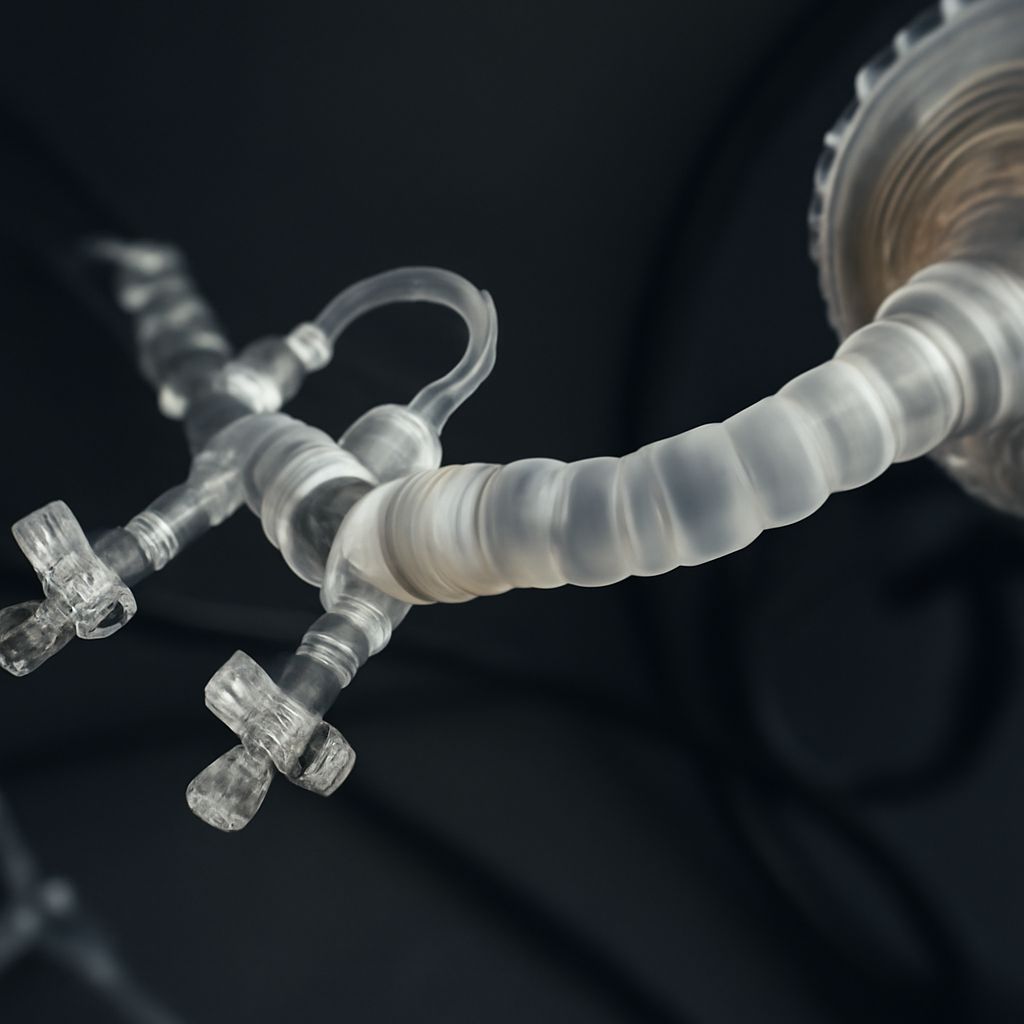
ECMO circuits mimic the function of the heart and lungs, providing oxygenation and carbon dioxide removal outside the patient’s body. This technology serves as a crucial intervention for patients with severe respiratory or cardiac failure when traditional treatments are insufficient. The ECMO circuit’s success hinges on precise management and monitoring to prevent complications and ensure optimal outcomes.
The circuit consists of several key components that work together seamlessly. As such, each element requires vigilant oversight by an ECMO specialist to maintain functionality and safety. Their expertise ensures that every part of the system is running optimally, from setting the correct flow rates to troubleshooting any arising issues.
Role of an ECMO Specialist
ECMO specialists are the linchpin of ECMO therapy, combining technical expertise with clinical care. They are responsible for the continuous monitoring and adjustment of ECMO parameters to suit the patient’s evolving needs. Their role encompasses a wide range of duties, including the initiation and discontinuation of ECMO support and the meticulous management of anticoagulation to prevent clot formation.
Moreover, ECMO specialists collaborate closely with multidisciplinary teams, providing critical insights that inform treatment decisions. Their ability to interpret ECMO data and respond swiftly to emergencies is crucial in maintaining patient stability. This proactive approach helps in preempting potential complications and ensuring that the ECMO circuit functions without interruption.
Components of the ECMO Circuit
Oxygenator
The oxygenator is a core component of the ECMO circuit, responsible for adding oxygen to the blood and removing carbon dioxide. ECMO specialists must ensure that the oxygenator is functioning efficiently, adjusting settings to maintain appropriate blood gas levels. Regular checks and maintenance are crucial to prevent failure and ensure uninterrupted support.
Pump System
The pump system circulates blood through the ECMO circuit, a process that requires precise control to maintain adequate blood flow. Specialists are tasked with monitoring pump function, ensuring that the blood flow parameters are optimally set for each patient’s condition. They must be adept at identifying and addressing any mechanical issues that may arise.
Cannulae
Cannulae are tubes inserted into blood vessels to facilitate the circulation of blood in and out of the body. Proper positioning and securement of cannulae are critical to prevent displacement and ensure effective blood flow. ECMO specialists are responsible for monitoring cannulae placement and addressing any signs of malfunction or complications.
Training and Qualifications for ECMO Specialists
Becoming an ECMO specialist requires rigorous training and a deep understanding of both the technology and patient care. Specialists often come from backgrounds in respiratory therapy or nursing, complemented by specialized training in ECMO management. Certification programs and hands-on experience are vital in building the skills necessary for this demanding role.
Continuous education is also essential, as ECMO technology and techniques constantly evolve. Specialists must stay abreast of the latest advancements to provide the highest standard of care. Their training empowers them to make informed decisions and implement best practices effectively within hospital settings.
Challenges in ECMO Circuit Management
Managing an ECMO circuit presents numerous challenges, from maintaining equipment integrity to managing patient-specific variables. Specialists must navigate these complexities with precision and care. Complications such as bleeding, infection, or mechanical failure require immediate attention and adept problem-solving skills.
Moreover, ECMO specialists must possess the resilience to work under pressure, often in fast-paced and high-stress environments. Their ability to remain calm and make quick, accurate decisions is vital in ensuring patient safety and treatment efficacy.
Future of ECMO Care in Hospitals
As technology advances, the future of ECMO in hospitals looks promising, with innovations aimed at improving patient outcomes and expanding treatment applications. ECMO specialists will continue to play a pivotal role in integrating these advancements into clinical practice, ensuring that patients receive the best possible care.
The development of more efficient and user-friendly machines may simplify some aspects of ECMO management, yet the need for skilled specialists remains. Their expertise will be crucial in adapting to new technologies and optimizing ECMO protocols.
Pro tips recap: ECMO specialists are essential in managing ECMO circuits, requiring specialized training and real-time decision-making skills. Familiarity with the components, dedication to continuing education, and the ability to address challenges effectively are key to their success. As the field evolves, their role will remain indispensable in critical care.