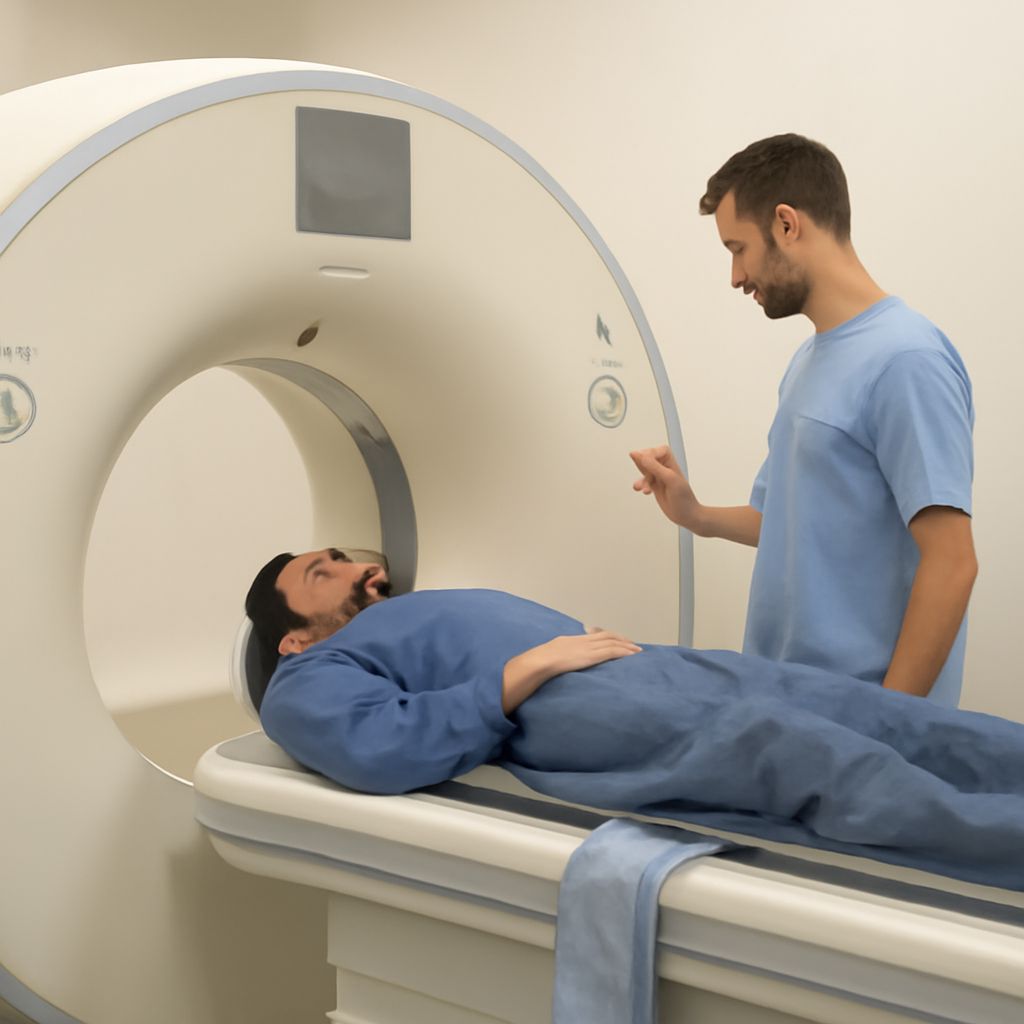
What Is a PET Scan: A Comprehensive Guide
In the realm of medical imaging, PET scans are pivotal in diagnosing and monitoring various health conditions. With their ability to reveal the cellular-level metabolic changes in the body, PET scans are invaluable, particularly when detecting cancer. Understanding what a PET CT scan is and its numerous applications can empower patients and health professionals alike, ensuring informed decisions are made about one’s health.
While PET scans are advanced tools, they come with considerations, including potential side effects. Knowing these aspects ensures patients are well-prepared and can weigh the benefits against any possible risks. Let’s delve into what a PET scan entails, how it works, its applications in cancer diagnosis, possible side effects, and preparation tips.
Understanding What a PET Scan Is
A PET scan, or Positron Emission Tomography scan, is a diagnostic imaging test that allows physicians to observe metabolic processes in the body. Using a small amount of radioactive material, PET scans highlight areas of high chemical activity, which often correspond to disease activity.
This imaging technique is particularly unique because it provides functional information, unlike CT or MRI, which primarily offer structural details. The PET scan’s ability to show how tissues and organs are functioning makes it a valuable tool in diagnosing and tracking conditions over time. This technology is especially beneficial for individuals with cancer, as it helps identify active cancer cells.
How a PET CT Scan Works
When a PET CT scan is performed, a tracer—a substance containing a small amount of radioactive material—is introduced into the body, typically via injection. This tracer accumulates in areas with higher levels of chemical activity, which often indicate disease.
During the scan, the PET machine detects the radiation emitted by the tracer. By doing so, it constructs detailed images of the body’s metabolic activity. This process allows physicians to pinpoint areas of concern with precision.
The addition of CT technology provides detailed anatomical context to the metabolic data from the PET scan, offering a comprehensive view that aids accurate diagnosis and monitoring. The integration of PET and CT imaging is particularly important for mapping out cancerous growths and evaluating their response to treatment.
Applications of PET Scans in Cancer Diagnosis
One of the most significant uses of PET scans is in the field of oncology. PET scans are instrumental in detecting cancer, determining the stage of cancer, and evaluating the effectiveness of cancer treatments.
By using PET scans, doctors can often identify cancerous tumors before they are visible through other imaging techniques. This early detection is crucial for effective treatment planning. Additionally, PET imaging helps in assessing whether cancer has spread (metastasized) to other parts of the body.
Furthermore, PET scans are invaluable in monitoring the response to cancer treatments. By comparing scans taken before, during, and after treatment, physicians can determine whether the therapy is effective or if adjustments are needed. This ongoing evaluation allows for personalized treatment plans that can significantly improve patient outcomes.
PET Scan Side Effects and Considerations
While PET scans are generally safe, there are some side effects and considerations to bear in mind. The radioactive tracer used in PET scans poses little risk due to the low dosage of radiation. However, it is essential to inform your doctor if you are pregnant or breastfeeding, as precautions may be necessary.
Some patients may experience minor discomfort from the injection of the tracer, although serious side effects are rare. It is also advisable to discuss any allergies or health conditions with your physician prior to undergoing a PET scan to ensure it is appropriate for you.
After the scan, drinking plenty of fluids can help expedite the elimination of the radioactive material from the body. It’s always crucial to follow your healthcare provider’s instructions regarding post-scan care and any necessary follow-up appointments.
Preparing for Your PET Scan
Preparing for a PET scan involves a few simple steps to ensure accurate results. You may be asked to avoid eating for several hours before the scan, as food can affect the distribution of the tracer in your body.
Wearing comfortable clothing and removing any metal objects, such as jewelry, can help streamline the scanning process. Additionally, it is important to inform your doctor about any medications you are taking, as some may interfere with the results.
On the day of the scan, it is advisable to arrive early to complete any necessary paperwork and discuss any last-minute questions with the healthcare team. Feeling prepared and informed can make the experience less daunting and help ensure the best possible outcomes.
In summary, PET scans are a powerful tool in the field of medical imaging, particularly when it comes to cancer diagnosis and treatment. While they offer numerous benefits, understanding their potential side effects and preparing appropriately is crucial. Always consult with your healthcare provider to ensure that a PET scan is the right step for your diagnostic journey.