Dry Socket: Understanding Causes and Treatments
Experiencing severe pain after a tooth extraction can be distressing, especially when it disrupts your recovery process. Often, this pain points to a common dental complication known as dry socket. This condition can significantly hinder the healing process following wisdom teeth extraction, causing discomfort and concern. Fortunately, understanding what dry socket symptoms entail and what the condition looks like is key to managing it effectively. This article aims to guide you through the causes, symptoms, appearance, and preventive measures associated with dry socket.
What Is Dry Socket?
Dry socket, medically referred to as alveolar osteitis, occurs when the blood clot that forms in the tooth socket after extraction is dislodged or dissolves prematurely. Without this clot, the bone and nerves are exposed, leading to intense pain and delayed healing. The condition is more common after wisdom teeth removal, but can occur with any tooth extraction. Recognizing the underlying causes is crucial to avoiding this painful complication and ensuring a smooth recovery.
Factors contributing to the development of dry socket include smoking, oral bacterial infections, and improper aftercare. Focusing on these elements can help reduce the risk of this painful condition occurring after a tooth extraction.
Recognizing Dry Socket Symptoms
Identifying dry socket symptoms early on can significantly alleviate discomfort and promote timely treatment. Pain is the most prominent sign, often described as throbbing and radiating from the extraction site to the ear, eye, or neck on the same side. This pain usually begins a few days post-extraction, distinguishing it from the typical discomfort felt immediately after surgery.
Other symptoms include a foul taste or smell coming from the empty socket, indicating possible debris accumulation and bacterial activity. You may also notice swelling or a low-grade fever, signaling that something is amiss in the healing process.
Monitoring these indicators closely is essential. If you suspect a dry socket, consulting with a dental professional promptly for appropriate management is recommended.
What Does Dry Socket Look Like?
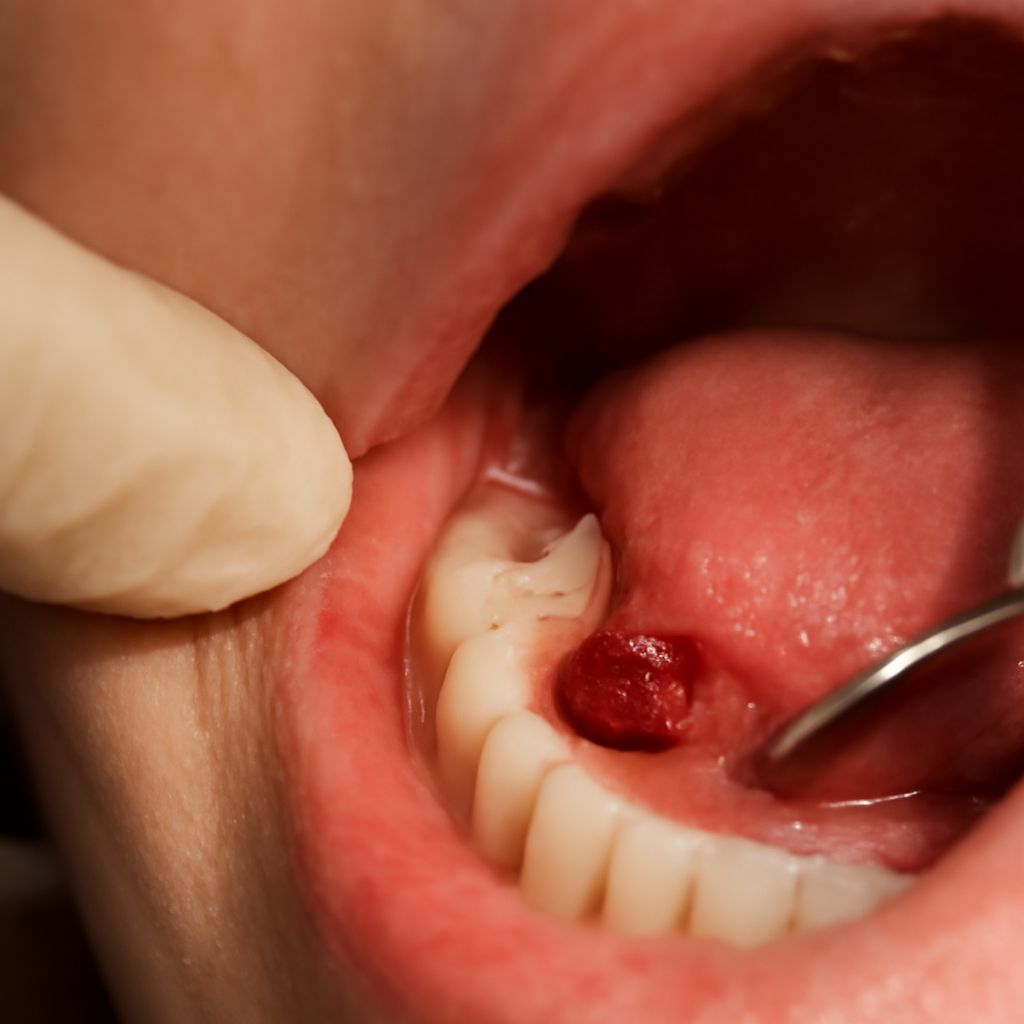
Visually identifying a dry socket can aid in swift intervention. Normally, a healing extraction site should have a dark clot covering it. However, in the case of a dry socket, you may notice an empty-looking hole where the clot is absent.
The exposed bone might be visible, appearing white or off-white. Understanding this visual cue is vital, as it differentiates dry socket from typical post-extraction healing. This appearance can help you determine whether you need to seek further medical advice.
Dry Socket and Wisdom Teeth
The removal of wisdom teeth is a procedure often associated with the development of dry socket due to the location and difficulty of the extraction. Wisdom teeth extractions create larger wounds that take longer to heal, increasing the likelihood of clot disruption.
Patients should be especially vigilant if undergoing wisdom teeth removal. Proper aftercare is essential, such as adhering to dietary restrictions, avoiding straws, and refraining from smoking to minimize the risk.
Being informed about these connections enables patients to take proactive steps in their post-operative care, reducing the chances of encountering this painful condition.
Preventing and Treating Dry Socket
Prevention is better than cure, and this is certainly true for dry socket. To prevent it, adhere strictly to your dentist’s post-operative instructions, which typically include gentle mouth rinses and avoiding strenuous activities that might dislodge the clot.
If you suspect the onset of dry socket, seeking professional treatment promptly is crucial. Treatment often involves cleaning the socket and applying medicated dressings to alleviate pain and encourage healing. Over-the-counter pain relief can also be used to manage symptoms in conjunction with professional care.
Incorporating these preventive measures and recognizing the need for timely intervention can help maintain oral health and ensure a smoother recovery after tooth extractions.
Next steps: Consistently practicing good oral hygiene and maintaining regular dental check-ups are vital in preventing complications such as dry socket. Should you need a tooth extraction, discuss potential risks and aftercare strategies with your dentist to safeguard against post-operative issues. Adhering to these practices will ensure your dental health remains in top condition.