How Long Does a UTI Last Without Antibiotics?
Urinary tract infections (UTIs) can turn daily life into a challenging experience, especially if untreated. Individuals often ask, “How long does it take antibiotics to work for UTIs?” because prompt relief is critical. When antibiotics are ineffective, or a UTI worsens on medication, it raises serious concerns. Additionally, understanding how long a UTI lasts without antibiotics is essential for anyone experiencing this common infection.
Fortunately, there are solutions to address and alleviate UTIs effectively. From understanding why a UTI might not respond to antibiotics to exploring alternative remedies, there are steps you can take to manage this condition effectively. In this article, we delve into the duration of UTIs, the role of antibiotics, and what to do if your infection persists or worsens on treatment.
Understanding UTIs and Their Duration
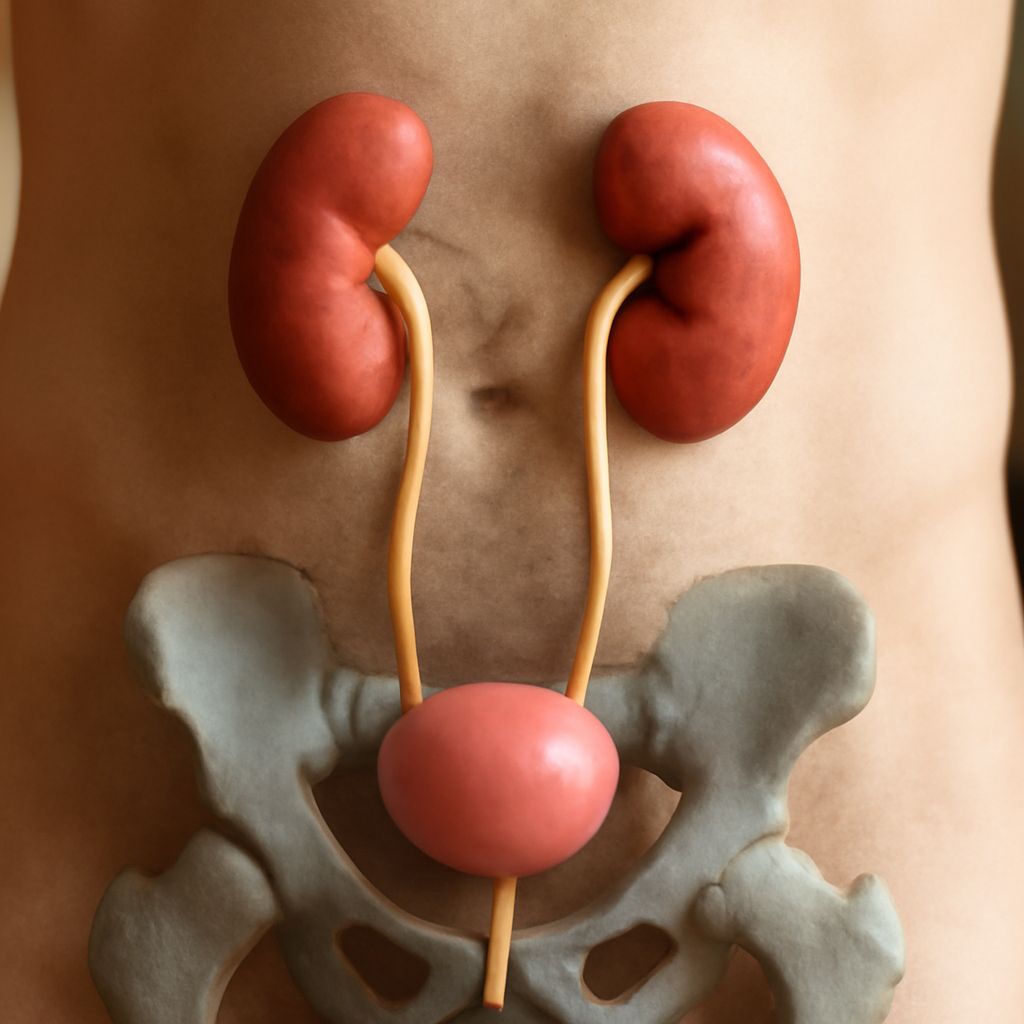
UTIs are infections that occur primarily in the bladder, but they can also affect other parts of the urinary system. The duration of a UTI can vary significantly depending on whether it is treated or not. Generally, a UTI can last longer without antibiotics, potentially leading to complications if ignored.
In untreated cases, symptoms of UTIs may persist for weeks, increasing the risk of the infection spreading to the kidneys. Prolonged symptoms include a persistent urge to urinate, a burning sensation during urination, and cloudy or strong-smelling urine. Seeking medical advice is crucial if symptoms persist.
When treated, most uncomplicated UTIs can begin to improve within a few days of starting antibiotics. However, it is essential to complete the prescribed course to prevent recurrence and resistance.
How Long Does It Take Antibiotics to Work for UTIs?
Antibiotics are a cornerstone in the treatment of UTIs, often providing symptomatic relief within a couple of days. However, the time it takes for antibiotics to work for UTIs can vary based on factors such as the type of bacteria and individual health conditions.
Typically, patients may notice improvement in symptoms within 24 to 48 hours of starting antibiotics. However, the full course, usually lasting five to seven days, should be completed to ensure the infection is fully cleared. Failing to finish the medication can lead to recurring infections or antibiotic resistance.
Doctors may prescribe different types of antibiotics depending on the severity and frequency of the infections. Consulting a healthcare provider for a tailored treatment plan is advised if symptoms do not improve promptly.
When a UTI Is Not Responding to Antibiotics
Sometimes, a UTI might not respond to antibiotics, leaving patients frustrated and concerned. This can occur due to antibiotic resistance, where the bacteria causing the infection have become immune to the medication.
The presence of antibiotic-resistant bacteria is increasing, making some UTIs harder to treat. Factors contributing to resistance include previous antibiotic use and incomplete courses of treatment. Seeking professional medical advice is essential if a UTI does not improve with antibiotics.
In such cases, doctors might recommend alternative antibiotics or additional diagnostic tests to identify the most effective treatment plan. Ensuring adherence to prescribed medication and avoiding self-medication is crucial.
What to Do If Your UTI Is Getting Worse on Antibiotics
If your UTI symptoms are worsening even after starting antibiotics, it is important to take immediate action. A worsening condition might indicate a resistant strain of bacteria or an incorrect initial diagnosis.
First, consult your healthcare provider for further guidance. They may need to conduct additional tests or switch your medication to a more effective antibiotic. Keeping your doctor informed about any changes in symptoms is crucial for effective management.
Beyond medication, staying hydrated and maintaining proper personal hygiene can support recovery. In some cases, healthcare professionals might suggest supplements or alternative therapies to support antibiotic treatment.
Comparing UTIs and Other Infections: Dog Worming Tablets
While UTIs primarily affect the urinary system, other infections, like those treated with dog worming tablets, target different areas, such as parasites in pets. Comparing UTIs with parasitic infections highlights the importance of targeted treatments.
Dog worming tablets are specifically designed to eliminate parasitic worms in animals, showcasing how treatments differ based on the infection type. While antibiotics treat bacterial infections, worming tablets address parasites, underscoring the need for proper diagnosis before treatment.
Understanding the nature of the infection is crucial for selecting the appropriate therapy. Consulting a healthcare professional ensures that the right treatment plan is devised, preventing misdiagnosis and ineffective treatment.
Bottom line: Understanding how long a UTI lasts without antibiotics and the role of these medications is essential for effective management. When antibiotics do not work, consulting healthcare professionals for alternative options ensures better outcomes. Always follow medical guidance and complete prescribed treatments to avoid complications.