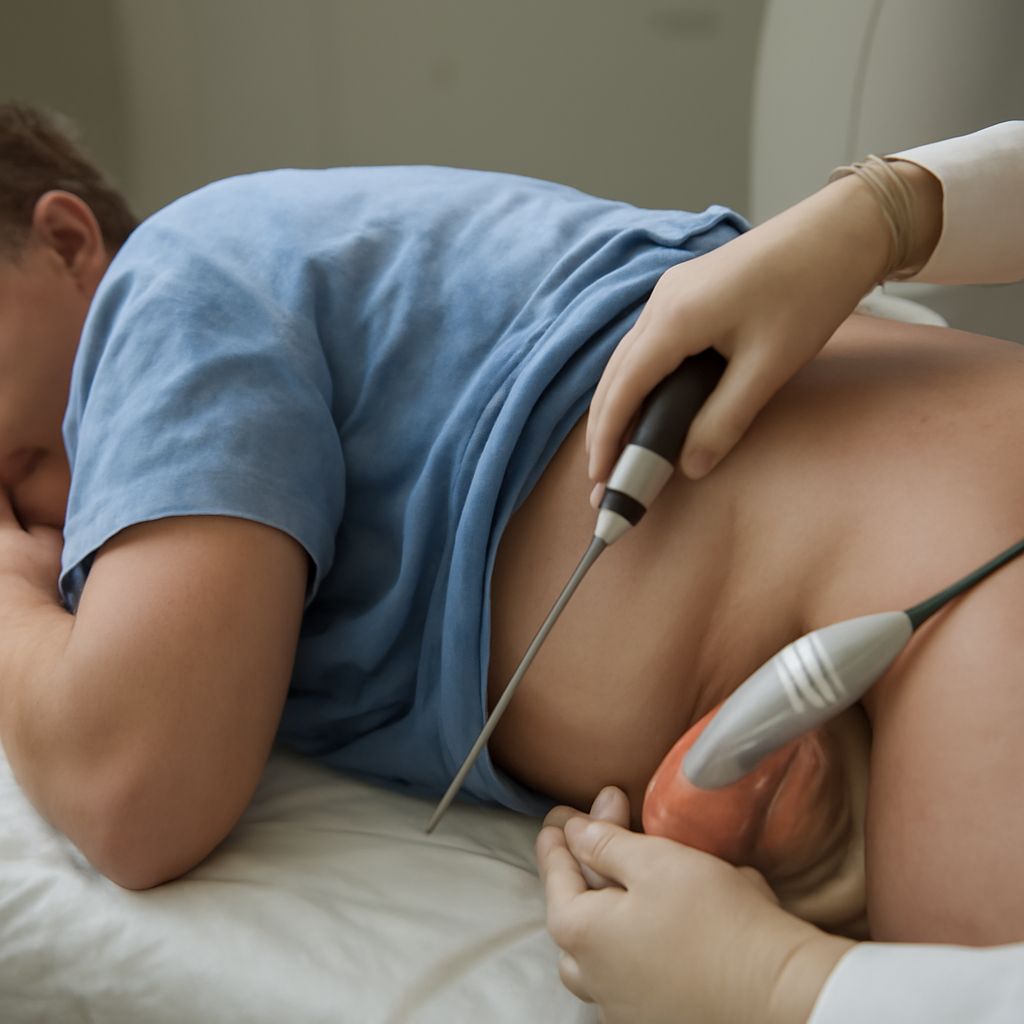
Prostate MRI Preparation and Biopsy Procedures
For many men, the health of the prostate is a significant concern, especially as they age. When faced with potential prostate issues, medical professionals often recommend a series of tests, including prostate MRI preparation and biopsies, to ensure accurate diagnosis and effective treatment. Understanding the intricacies of these procedures, from bone biopsy needle techniques to recovery processes, is crucial. By grasping what to expect during a prostate needle biopsy, patients can mentally and physically prepare for the process, facilitating a smoother experience.
Moreover, knowing how soon you can exercise after a prostate biopsy and other recovery tips can significantly impact the healing journey. This article provides a thorough overview of everything from MRI preparation to biopsy recovery, ensuring you’re well-informed every step of the way.
Understanding Prostate MRI Preparation
Why Prostate MRI is Important
A prostate MRI plays a crucial role in diagnosing potential issues by providing detailed images of the prostate gland and surrounding tissues. This non-invasive test helps doctors identify abnormalities, facilitating early intervention and treatment. The precision of MRI in detecting prostate cancer can significantly improve outcomes.
Steps in Prostate MRI Preparation
Preparation for a prostate MRI involves several key steps to ensure optimal results. Patients are advised to follow specific dietary restrictions before the procedure, such as avoiding caffeinated beverages, which can interfere with image quality. Additionally, you may be required to undergo an enema to clear the bowel, ensuring unobstructed views of the prostate.
It’s also important to inform your healthcare provider of any metal implants or devices within your body, as these can affect the MRI process. Being well-prepared and informed helps in achieving accurate results, ultimately aiding in effective diagnosis and treatment.
Exploring Prostate Needle Biopsy
How is a Prostate Biopsy Performed
A prostate needle biopsy involves the removal of small tissue samples from the prostate gland for analysis. This procedure is typically guided by transrectal ultrasound (TRUS), which aids in precisely targeting the areas of concern. During the biopsy, a thin needle is inserted into the prostate through the rectum to collect tissue.
Patients often receive local anesthesia to minimize discomfort, and the procedure generally lasts less than an hour. Understanding the specifics of the biopsy process can alleviate anxiety, allowing for a more comfortable experience.
Different Types of Prostate Biopsy
There are several variations of prostate biopsy techniques, each suited to different diagnostic needs. The transrectal approach is the most common, but some situations may require a transperineal method, where the needle is inserted through the skin between the anus and scrotum.
The choice of biopsy technique depends on various factors, including patient anatomy and the location of the targeted tissue. Discussing these options with your healthcare provider can help you understand which method is most appropriate for your situation.
Bone Biopsy Needle: A Comprehensive Guide
Purpose of Bone Biopsy Needle
The bone biopsy needle is an essential tool used to collect samples of bone tissue for diagnostic purposes. This procedure is often employed to diagnose conditions like bone marrow disorders or bone infections.
By obtaining a small bone sample, doctors can analyze the tissue to identify abnormalities or diseases. This information is crucial in developing a targeted treatment plan for the patient.
Procedure Using Bone Biopsy Needle
During a bone biopsy, a specialized needle is used to penetrate the bone and extract a sample. Local anesthesia is typically administered to reduce discomfort. The process involves careful planning to ensure that the sample is taken from the correct location, and imaging technology may assist in guiding the needle.
Understanding the purpose and procedure of a bone biopsy can help patients feel more at ease and prepared, knowing that the information obtained is vital for accurate diagnosis.
Recovery After a Prostate Biopsy
How Soon Can I Exercise After a Prostate Biopsy
Post-biopsy recovery is a crucial phase, and it’s essential to follow your doctor’s advice on activity levels. Generally, patients are advised to avoid strenuous activities, including exercise, for at least a few days to allow the body to heal properly.
Gradually reintroducing physical activity based on your comfort level and medical guidance ensures a safe return to routine. Each individual’s recovery timeline may vary, so listening to your body is key.
Tips for a Smooth Recovery
To facilitate a smooth recovery after a prostate biopsy, patients should focus on rest and hydration. Drinking plenty of fluids can help flush out any residual effects of anesthesia. Additionally, monitoring for any signs of infection, such as fever or unusual discharge, is important.
Patients should also adhere to any prescribed medications and follow up with their healthcare provider for results and further instructions. These steps can significantly enhance the recovery process, ensuring a more comfortable transition back to daily activities.
Safety Recap: It is crucial to follow your healthcare provider’s instructions regarding biopsy preparation and recovery. Proper preparation and careful post-procedure care can minimize risks and ensure the best outcomes.