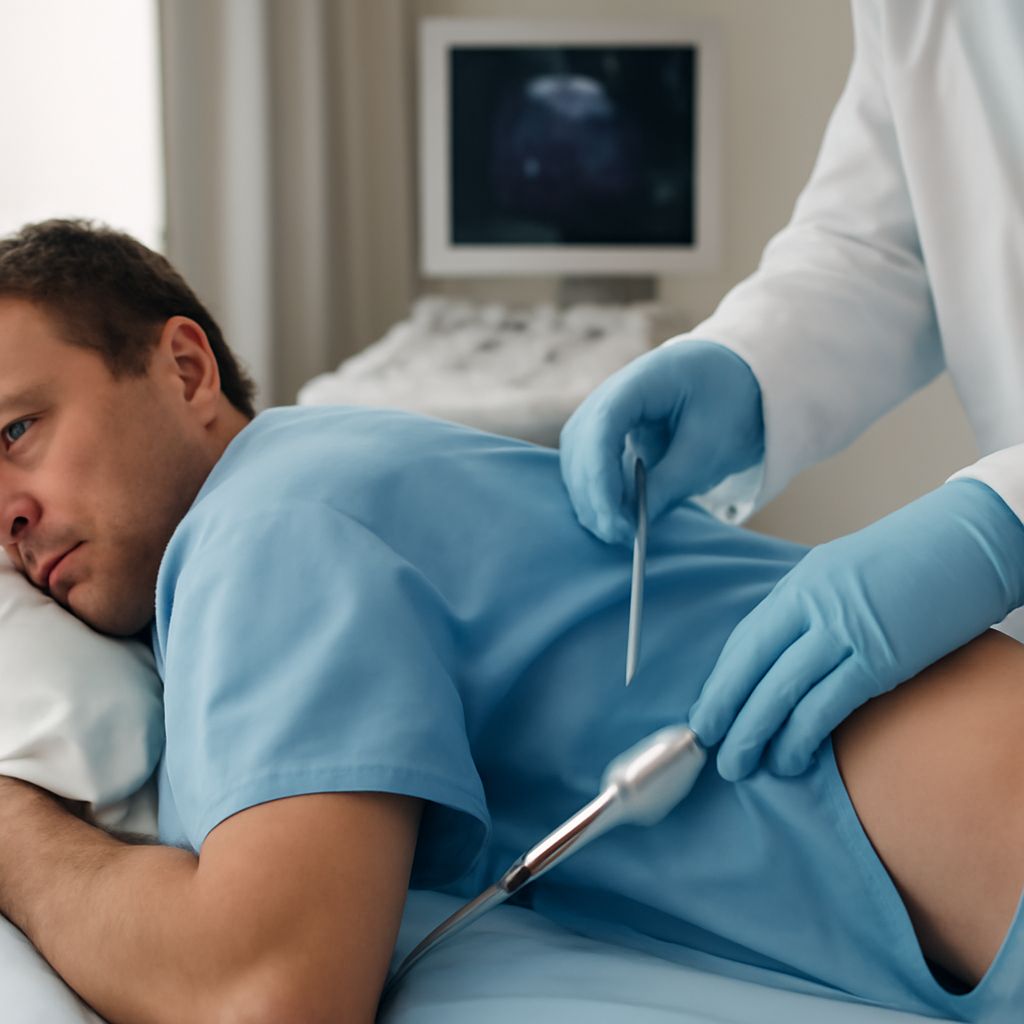
How Long Does a Prostate Biopsy Take: A Comprehensive Guide
Facing a prostate biopsy can be an unsettling experience, especially if you’re uncertain about the details. From understanding how long the entire process of a prostate biopsy takes to effective preparation and post-prostate biopsy care, being well-informed can ease anxiety and facilitate smoother recovery. To help navigate this, we will delve into every aspect—from prostate biopsy preparation to recovery—ensuring you are equipped with the essential knowledge needed for this medical journey.
Understanding the intricacies of these procedures and the necessary steps for preparation can significantly improve your experience. Whether you’re focusing on dietary guidelines or medications to avoid before the procedure, this guide will walk you through the essentials, enhancing your readiness and helping you manage expectations about the time required for a prostate biopsy.
Understanding How Long Does a Prostate Biopsy Take
Factors Affecting Duration
Typically, a prostate biopsy takes about 10 to 20 minutes. However, the exact duration of a prostate biopsy can vary based on a few key factors. The complexity of your medical history, the type of biopsy being conducted, and the number of samples needed all contribute to how long the prostate biopsy takes.
For some, the process may be quicker or longer depending on how easily the doctor can access the prostate and the particular method used. Additionally, the presence of any complicating medical conditions can extend the procedure’s duration.
Types of Prostate Biopsies
Prostate biopsies can be conducted using various techniques, each with its specific timeline. Transrectal ultrasound-guided biopsies are the most common and usually the quickest. Other methods, like the transperineal approach, may take longer due to their more invasive nature.
The method chosen depends on the patient’s unique medical circumstances. Each type has its benefits and drawbacks, affecting not only the procedure length but also recovery time and post-biopsy experience.
Prep for Prostate Biopsy: Essential Steps
Dietary Guidelines
Preparation for a prostate biopsy often involves specific dietary restrictions. Generally, you might be advised to eat a light meal the day before. Avoiding heavy or greasy foods can help minimize discomfort during the procedure.
Hydration is another crucial aspect, as staying well-hydrated can aid in a smoother process. However, follow your doctor’s specific instructions regarding fluid intake before arriving for the biopsy.
Medications to Avoid
Your doctor will likely provide a list of medications to avoid in the days leading up to your biopsy. Blood thinners, for instance, are commonly restricted due to the risk of bleeding. It’s essential to discuss all medications, including over-the-counter drugs, to determine what’s safe to continue.
Any adjustments to your medication regimen should be done under medical guidance to ensure your safety and the effectiveness of the biopsy process.
Day Before the Procedure
The day before your biopsy is pivotal for preparation. Following dietary and medication guidelines is crucial, but you should also make practical arrangements, such as organizing transportation to and from the appointment.
Another important step is ensuring you understand the procedure details, addressing any lingering questions with your healthcare provider ahead of time.
Prostate Biopsy Preparation: What to Expect
Pre-Procedure Instructions
Before the biopsy, you’ll receive a set of instructions designed to ensure the procedure’s success and minimize risks. These may include bowel preparation techniques or specific hygiene protocols to follow.
Thoroughly understanding and adhering to these pre-procedure instructions can greatly influence both the experience and outcomes.
Consultation with Doctor
A consultation prior to the biopsy is essential, as it provides an opportunity to discuss any concerns or questions. Your doctor will explain the procedure, outline potential risks, and offer personalized advice on preparation.
This meeting is also a chance to clarify any doubts about recovery and post-procedure expectations, setting a clear path for what comes next.
Post Prostate Biopsy Care and Recovery
Immediate Post-Procedure Care
After the procedure, it’s important to follow specific care instructions. Rest is typically advised, with activity restrictions to allow your body time to heal and minimize discomfort.
Avoiding strenuous activities and following dietary guidance will aid in a smoother recovery. Staying attentive to how your body responds post-biopsy is key.
Signs of Complications
While complications are rare, being aware of signs such as excessive bleeding, infection symptoms, or significant pain is important. Prompt communication with your healthcare provider if any issues arise is crucial.
Monitoring your recovery ensures any complications can be addressed swiftly, minimizing their impact.
Follow-Up Appointments
Post-biopsy, follow-up appointments help track your recovery progress and discuss biopsy results. These meetings are essential for addressing any questions and planning further steps based on your medical needs.
Maintaining open communication with your doctor during follow-ups will help tailor your ongoing care plan effectively.
Next Steps
With a clear understanding of the process and post-care requirements, you are now better equipped to handle the experience of a prostate biopsy. Adhering to preparation tips and maintaining open communication with your healthcare provider will ensure a smoother journey. Remember, staying informed is the first step in proactive health management.