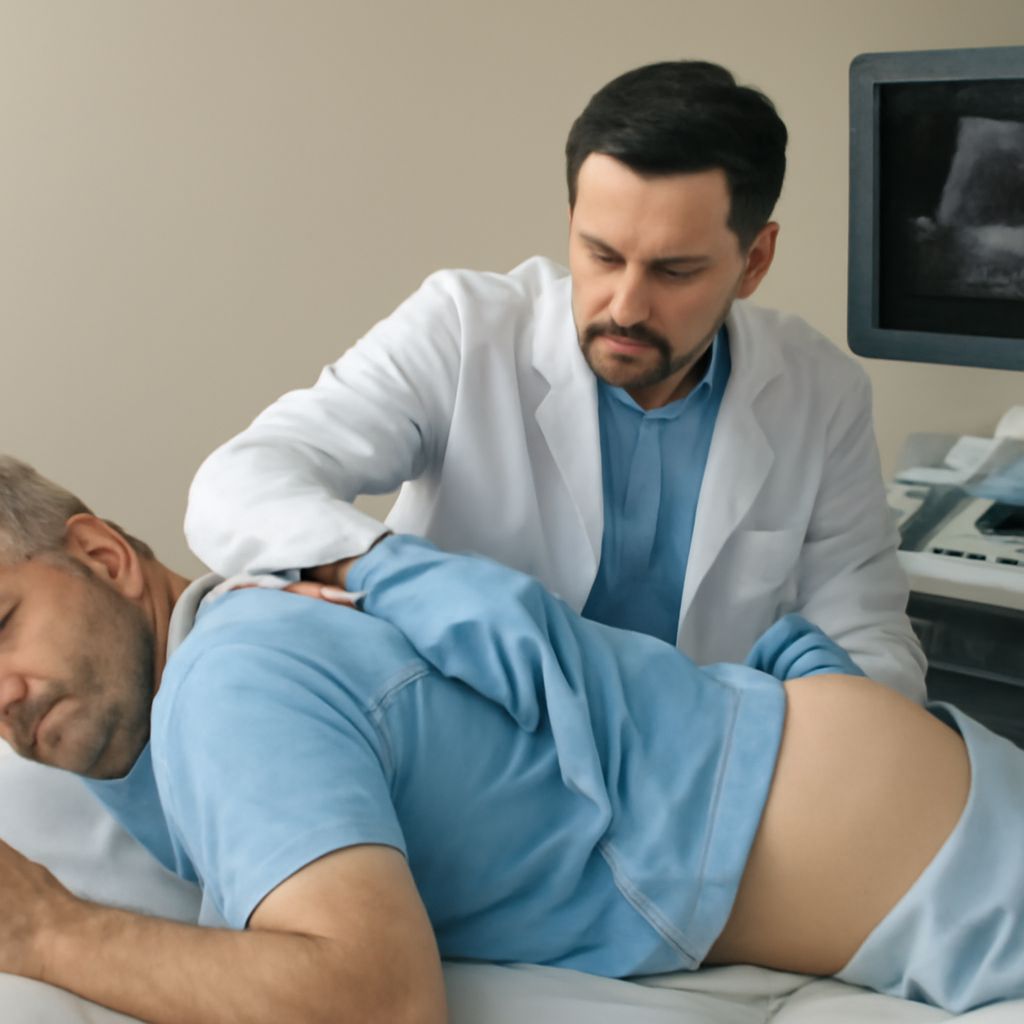
TRUS Biopsy: Understanding the Procedure and Recovery
TRUS Biopsy: Understanding the Procedure and Recovery
Prostate health is a significant concern for many, and ensuring accurate diagnoses is crucial. One effective method for obtaining critical information about prostate conditions is the transrectal ultrasound prostate biopsy (TRUS biopsy). This procedure provides essential data for diagnosing prostate abnormalities, but understanding the prostate biopsy recovery time is equally vital for patients. In this article, we will explore the intricacies of the TRUS biopsy, the recovery process, and compare it with other biopsy techniques, offering insights into effective recovery practices.
Introduction to TRUS Biopsy
What is a TRUS Biopsy?
A TRUS biopsy involves using ultrasound guidance to extract tissue samples from the prostate. This procedure is instrumental in detecting conditions like prostate cancer early on, allowing for timely intervention. With the assistance of a transrectal ultrasound, doctors can accurately guide the biopsy needle to the precise location within the prostate.
Importance of TRUS in Prostate Health
TRUS biopsies play a pivotal role in maintaining prostate health by providing accurate diagnostic insights. This approach minimizes unnecessary complications and maximizes the effectiveness of subsequent treatments. By using this method, healthcare providers can ensure a thorough evaluation of the prostate’s condition.
Understanding the Transrectal Ultrasound Prostate Biopsy
Procedure Overview
The procedure begins with the insertion of an ultrasound probe into the rectum, capturing images of the prostate. Guided by these images, the physician inserts a needle to extract tissue samples. This approach ensures precision in targeting specific areas of concern within the prostate.
Benefits and Risks
Among the advantages of the TRUS biopsy is its ability to provide detailed images, allowing for targeted sampling. However, like any medical procedure, it carries potential risks, including infection and bleeding. Despite these risks, the benefits often outweigh the downsides by offering early detection and effective management of prostate conditions.
Prostate Biopsy Recovery Time
Factors Affecting Recovery
Recovery time after a prostate biopsy varies depending on several factors, such as individual health conditions and the body’s response to the procedure. Typically, patients experience mild discomfort, and the time needed for full recovery can vary. Understanding these factors helps patients prepare for what to expect post-biopsy.
Tips for a Smooth Recovery
To facilitate a smooth recovery, patients should follow their doctor’s instructions closely. Resting adequately, staying hydrated, and avoiding strenuous activities can significantly aid recovery. Monitoring for any signs of complications, like excessive bleeding, is also crucial in ensuring a swift recovery.
Comparing TRUS and Transrectal Prostate Biopsy Techniques
Key Differences
The primary difference between the TRUS and other transrectal biopsy techniques lies in the use of ultrasound guidance. While both methods aim to obtain tissue samples, the TRUS approach provides enhanced precision and accuracy due to real-time imaging. This precision often results in better diagnostic outcomes.
Which is Right for You?
When deciding between a TRUS biopsy and other prostate biopsy techniques, consider factors such as the specific diagnostic needs and personal health circumstances. Consulting with a healthcare provider can help determine the most suitable approach based on individual health profiles and risk assessments.
Conclusion
Summary of Key Points
In summary, the TRUS biopsy is a vital tool in the realm of prostate health. Its precision and ability to provide accurate diagnostic information make it a preferred choice for many healthcare professionals. Understanding the procedure and recovery aspects can empower patients to navigate their health journey effectively.
Consulting Your Healthcare Provider
For those considering a TRUS biopsy, it is essential to discuss potential risks and benefits with a healthcare provider. They can offer guidance tailored to individual health needs, ensuring that patients make informed decisions about their prostate health.
Next steps: Patients should maintain regular follow-ups with their healthcare providers to monitor prostate health. Incorporating lifestyle changes, such as a balanced diet and regular exercise, can also contribute to overall well-being and aid in recovery post-biopsy.