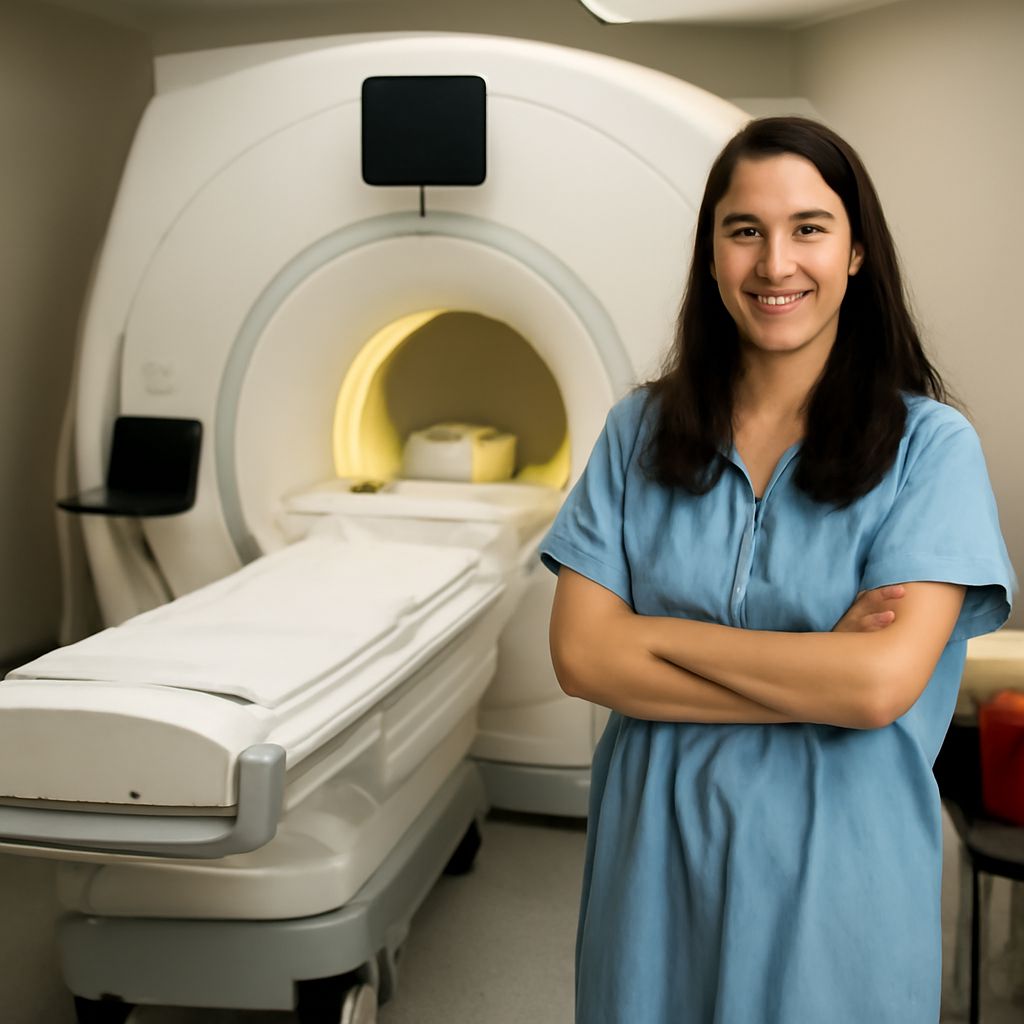
MRI With Contrast: Preparation, Costs, and What to Expect
MRI With Contrast: Preparation, Costs, and What to Expect
An MRI with contrast provides radiologists with enhanced visual information that a standard scan cannot offer, making it the preferred study for many diagnostic questions. Whether you have been scheduled for a contrast-enhanced brain MRI, a spine study, or an abdominal examination, understanding what the procedure involves—and how to prepare—reduces anxiety and ensures optimal image quality. Knowing MRI preparation requirements, understanding the difference a contrast agent makes in an MRI scan with contrast, knowing how much is an MRI with insurance, and following MRI scan preparation instructions correctly are all essential parts of the process.
What Is an MRI With Contrast and When Is It Used?
An MRI with contrast involves injecting a gadolinium-based contrast agent through an intravenous line, typically in your arm or hand, before or during the scan. Gadolinium is a paramagnetic metal that temporarily shortens the relaxation time of nearby water protons, causing tissues that absorb the contrast to appear brighter on T1-weighted images. This enhancement highlights areas with disrupted blood-brain barriers, abnormal vascularity, or inflammation that would be invisible or ambiguous on a non-contrast study.
How Gadolinium Contrast Works
The gadolinium molecule is chelated—chemically bonded to a carrier compound—for safe administration in the human body. When injected intravenously, it circulates through the bloodstream and distributes into tissues based on their vascular characteristics. Highly vascular or leaky tissue—such as a brain tumor, abscess, or areas of active multiple sclerosis—enhances brightly on post-contrast images. Normal brain tissue, protected by an intact blood-brain barrier, does not enhance. This contrast mechanism allows radiologists to distinguish normal from abnormal tissue with far greater precision than non-contrast imaging provides.
Conditions Commonly Requiring Contrast Enhancement
Physicians order contrast-enhanced MRI for evaluating brain and spine tumors, multiple sclerosis plaques, infections and abscesses, post-surgical assessment, liver and abdominal organ characterization, and vascular studies (MR angiography). For many of these indications, a contrast-enhanced scan is not optional—it is essential for diagnostic accuracy. If your ordering physician has specified a contrast study, there is a clinical reason that supports the additional expense and minor additional risk.
MRI Preparation: What to Do Before Your Scan
Good MRI preparation begins before you arrive at the imaging center. Most MRI facilities will send pre-appointment instructions—review them carefully. For non-contrast abdominal studies, fasting for several hours before the scan is typically required. For brain and spine contrast studies, fasting is generally not necessary unless sedation will be used. Regardless of the study type, staying hydrated is advisable, as adequate hydration supports the kidneys’ ability to excrete the contrast agent efficiently after the scan.
MRI Scan Preparation for Contrast Studies
For a MRI scan preparation checklist specific to contrast appointments: inform the imaging center of any kidney disease or reduced kidney function before the appointment, as gadolinium is primarily cleared by the kidneys. Patients with severe renal impairment (GFR below 30) are at risk for a rare but serious complication called nephrogenic systemic fibrosis (NSF) from certain gadolinium formulations. The imaging team will review your kidney function before administering contrast and may conduct blood tests on the day of the scan. Inform the team of any previous allergic reactions to contrast agents, any medication allergies, and whether you are pregnant or breastfeeding.
What to Wear and Bring
Wear comfortable, loose-fitting clothing with no metallic components—avoid underwire bras, belts with metal buckles, and jeans with metal rivets. The MRI environment requires removal of all metal objects, including jewelry, piercings, and hairpins. Bring your insurance card, photo ID, the signed order from your physician, and any relevant prior imaging studies on CD or disk if available. Arriving 15–20 minutes early allows time for safety screening, which includes a detailed questionnaire about implanted devices, prior surgeries, and metal exposure history.
How Much Is an MRI With Insurance?
Patients frequently ask how much is an MRI with insurance as part of their pre-appointment financial planning. The patient’s share of MRI costs with insurance depends on their plan’s deductible, coinsurance, and whether the imaging facility is in-network. If you have met your annual deductible, most commercial insurance plans cover 70–80% of an in-network MRI, leaving the patient responsible for 20–30% coinsurance. If you have not met your deductible, the full allowed amount applies until the deductible is reached.
For a contrast MRI, the patient portion after insurance commonly ranges from $100 to $500 at an in-network facility. Hospital outpatient radiology departments have higher contracted rates than independent outpatient imaging centers, which generally translates to higher patient cost shares at the same coinsurance percentage. Always verify your in-network status and request a cost estimate from the facility before your appointment to avoid financial surprises.
MRI Scan With Contrast: Safety Considerations
Modern gadolinium-based contrast agents used in MRI scan with contrast procedures have an excellent safety record for patients with normal kidney function. Mild reactions—warmth, brief headache, or nausea—occur in a small percentage of patients and typically resolve within minutes. Severe allergic reactions are rare but are managed immediately by the medical staff present during the injection.
Gadolinium retention—a phenomenon where small amounts of gadolinium remain in brain tissue after repeated contrast MRI studies—is an area of ongoing research. To date, no clinical harm from gadolinium retention has been established in patients with normal kidney function. If you require frequent contrast MRI studies over time, discuss the cumulative exposure question with your ordering physician, who can assess whether the clinical benefit of contrast continues to outweigh any theoretical long-term considerations. For the vast majority of patients undergoing a standard contrast MRI study, the procedure is safe, well-tolerated, and diagnostically invaluable.
Key takeaways: MRI with contrast uses gadolinium agents to highlight abnormal tissues and provides diagnostic information unavailable on standard scans. Preparation includes hydration, disclosure of kidney function and allergy history, and arriving without metallic accessories. Patient costs with insurance vary widely by plan structure and facility type—always verify coverage and get a cost estimate before your appointment.