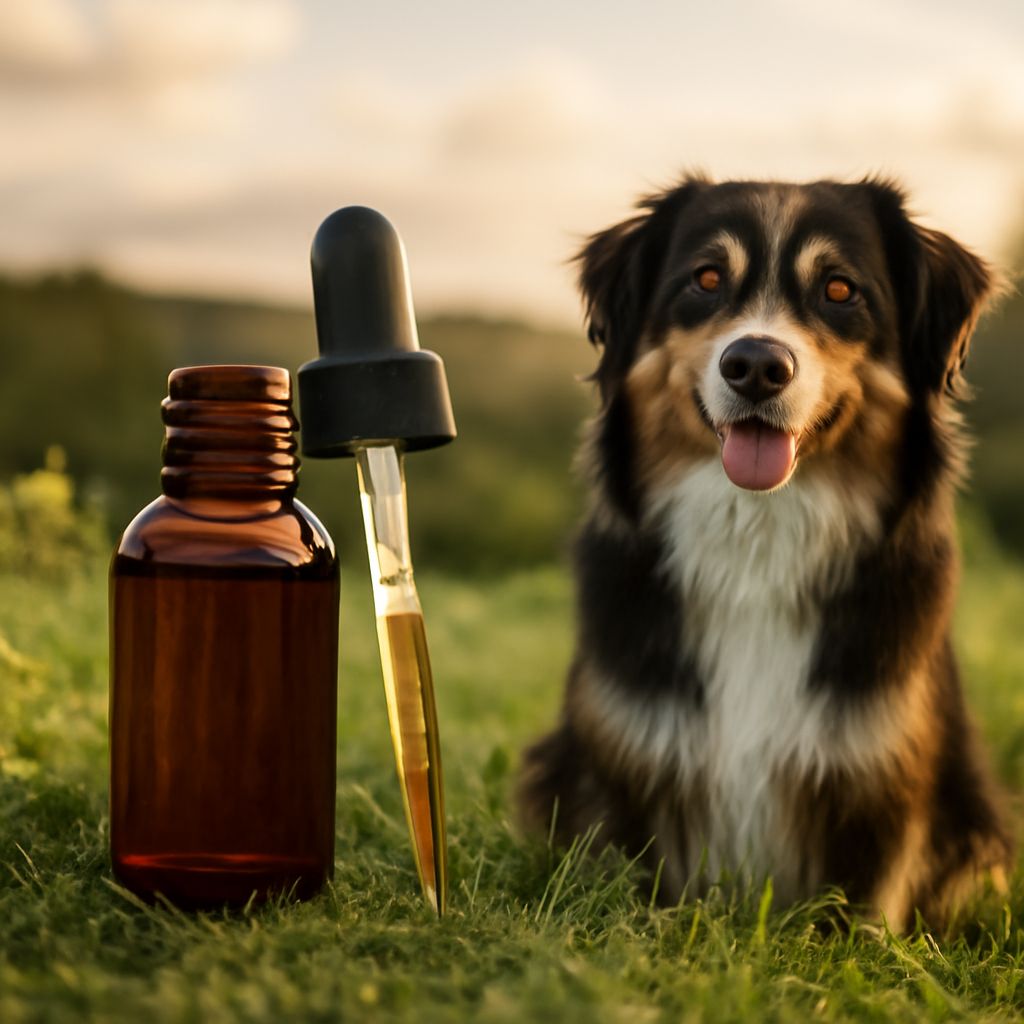
Dog Antibiotics Without Vet: What You Need to Know Before Acting
Dog Antibiotics Without Vet: What You Need to Know Before Acting
When a pet appears sick and a veterinary appointment is not immediately available, some owners search for dog antibiotics without vet prescription options. The motivation is understandable—watching a beloved animal suffer while waiting for care is distressing. However, the legal availability and appropriate use of antimicrobial drugs for pets involves important nuances that every pet owner should understand before acting.
This article explains what over the counter antibiotics for cats and dogs actually exist in the United States, what dog antibiotics over the counter options are legally accessible, the specific landscape of over the counter cat antibiotics, and the real risks of using non prescription antibiotics for cats or dogs without veterinary guidance.
Can You Get Dog Antibiotics Without a Vet?
The direct answer to seeking dog antibiotics without vet involvement is largely no—at least for the systemic antibiotics most people think of when they hear the term. In the United States, most antibiotic medications for animals require a prescription from a licensed veterinarian under the Veterinary Feed Directive (VFD) system or general prescription requirements. This regulatory structure mirrors human prescription requirements and exists for the same public health reasons: preventing antibiotic resistance and ensuring appropriate therapeutic use.
Legal OTC Antibiotic Options for Dogs
A limited number of topical antibiotic products are available for dogs without a prescription. Triple antibiotic ointment (containing bacitracin, neomycin, and polymyxin B) is widely available at pet and human pharmacies and is appropriate for cleaning and protecting minor skin wounds and superficial abrasions. Some fish antibiotic products have historically been sold in pet stores, though regulatory actions by the FDA have progressively brought these products into the prescription framework as well. No oral or injectable systemic antibiotic for dogs is currently available over the counter in the U.S. market through legitimate retail channels.
Why Prescription Requirements Exist
Veterinary prescription requirements for antibiotics exist for compelling reasons. Bacterial infections in animals require an accurate diagnosis—not all illnesses are bacterial in origin, and administering antibiotics for viral or parasitic conditions is ineffective and contributes to resistance. Different infections require different antibiotics, and selecting the wrong agent can cause treatment failure and select for resistant organisms. Dosing for animals is body-weight-dependent and differs by species; an incorrect dose can cause toxicity or be subtherapeutic. These clinical decisions genuinely require professional veterinary judgment.
Over the Counter Antibiotics for Cats: What Is Actually Available
The landscape for over the counter antibiotics for cats is even more limited than for dogs. Cats are more sensitive than dogs to many medications—including several antibiotics—making self-treatment particularly risky. Topical preparations containing neomycin are available for cats, but must be used cautiously as some cats are sensitive to aminoglycoside agents. Terramycin (oxytetracycline) ophthalmic ointment is available without prescription for treating certain bacterial eye infections in cats and dogs, and represents one of the few systemic-adjacent antibiotic products that pet owners can access without a vet visit for specific, limited applications.
No oral over the counter cat antibiotics are legally available through legitimate U.S. retail channels. Claims online that certain fish antibiotics can be used for cats reference products that are either being sold through gray-market channels or were grandfathered in before recent regulatory changes. The FDA has consistently taken enforcement actions to bring veterinary antibiotic marketing into compliance with prescription requirements.
Risks of Using Non-Prescription Antibiotics for Pets
Using non prescription antibiotics for cats or dogs carries significant risks. Giving the wrong antibiotic for the actual infection—while the real pathogen continues to proliferate—can allow a manageable condition to progress to a serious or life-threatening one. Drug toxicity is a real concern: tetracyclines can cause hepatotoxicity; certain antibiotics are nephrotoxic; fluoroquinolones (like those found in some fish preparations) can cause irreversible retinal damage in cats. Inappropriate antibiotic dosing in pets contributes to antibiotic resistance, which ultimately affects both animal and human health.
Masking infection symptoms with antibiotics that are reducing but not eliminating the pathogen can delay diagnosis of a more serious underlying condition. A dog or cat that appears to slightly improve on self-administered antibiotics but then relapses may have a resistant infection, an underlying anatomical problem requiring surgery, or a misidentified condition. The false reassurance of partial improvement can cost precious time in these scenarios.
Safe Alternatives and When to See the Vet
For pet owners facing barriers to immediate veterinary care, several options exist as alternatives to self-medicating with antibiotics. Telemedicine veterinary consultations have become widely available—many platforms offer 24/7 access to licensed veterinarians who can assess symptoms, advise on urgency, and in some states issue electronic prescriptions. This is often the safest and most accessible option when you need antibiotic advice outside of standard clinic hours.
Low-cost veterinary clinics, humane society clinics, and veterinary school teaching hospitals offer professional care at reduced rates for owners with financial constraints. Many also offer payment plan options. Investing in a veterinary visit for accurate diagnosis before starting any antibiotic course protects your pet’s health and often saves money in the long run by preventing treatment failure, re-treatment costs, and complications from mismanaged infections.
Key takeaways: No oral systemic antibiotics for dogs or cats are legally available without a veterinary prescription in the U.S. Topical antibiotic products are available OTC for limited wound care applications. Telehealth veterinary services provide accessible, professional guidance and prescription pathways when in-person visits are not immediately possible.