Hospital Beds for Home: Buying New vs. Used Options Explained
Hospital Beds for Home: Buying New vs. Used Options Explained
When a family member needs extended care at home, one of the most important equipment decisions involves selecting the right bed. Hospital beds for home use provide critical positional adjustability, height management, and side rail support that standard mattresses cannot offer. The decision between new and pre-owned equipment can significantly affect both cost and care quality.
This guide explores the landscape of used hospital beds for sale, what to inspect when evaluating used hospital beds, what to watch for when purchasing a used hospital bed from any source, and the specific considerations around used hospital beds for sale by owner listings found through private sellers.
Why Consider Hospital Beds for Home Use?
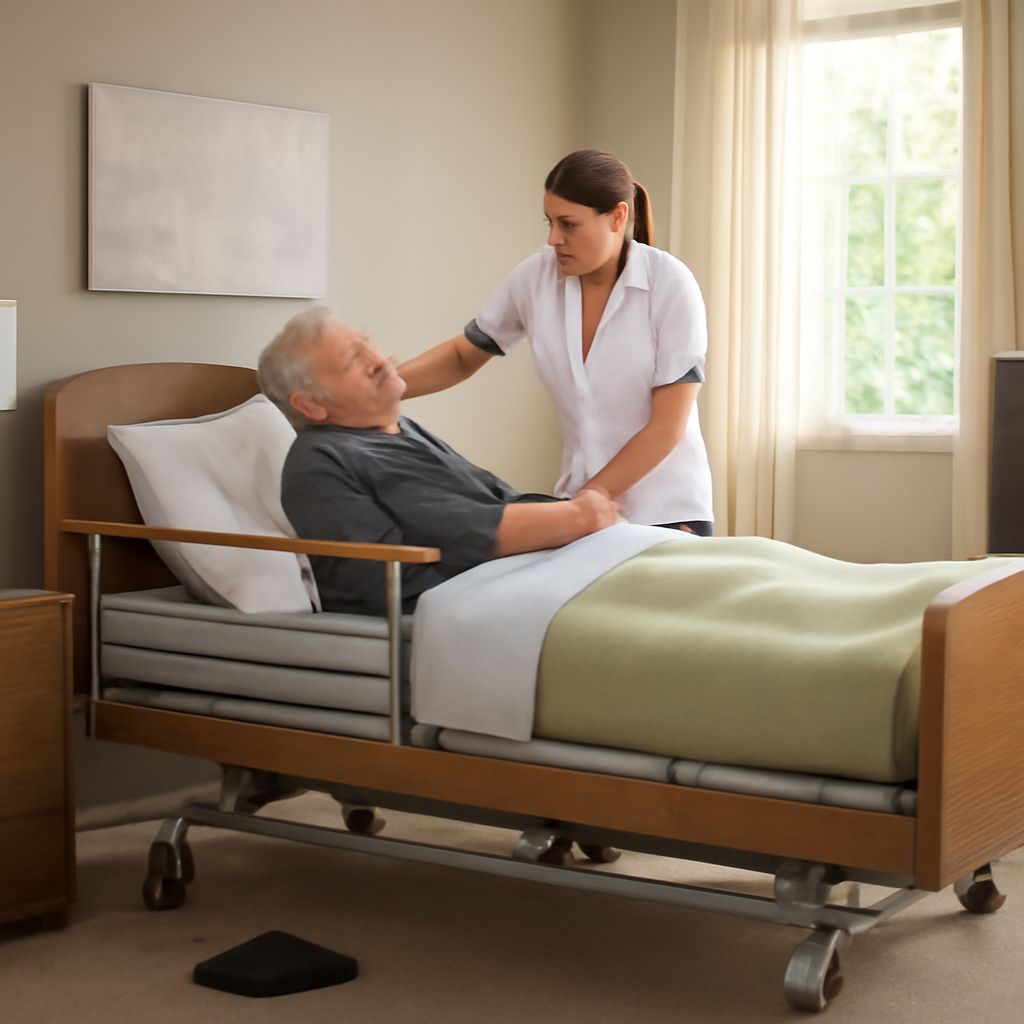
Hospital beds for home care provide adjustable head and foot sections that help manage conditions like COPD, congestive heart failure, acid reflux, and post-surgical recovery. Elevating the head of the bed improves breathing and reduces aspiration risk. Raising the entire bed height facilitates caregiver assistance with bathing, wound care, and transfers without the back strain associated with bending over a low surface.
Medical Benefits of a Home Care Bed
Beyond basic positioning, clinical-grade home beds often incorporate pressure redistribution mattress systems that reduce the risk of pressure ulcers in patients who spend extended time in bed. The ability to adjust knee elevation independently—placing the patient in a semi-Fowler’s position—reduces shear force on skin and improves circulation. These therapeutic features of a residential medical bed are clinically validated and recommended by wound care specialists for high-risk patients.
Who Needs a Hospital-Style Bed at Home?
Common scenarios where a home care medical bed is clinically indicated include recovery from major surgery, stroke rehabilitation, hospice care, and management of progressive neurological conditions. Elderly patients who are at risk of falls also benefit from the height adjustability and side rails. When a discharge planner, home health nurse, or occupational therapist recommends a hospital-style sleeping surface for home use, acting on that recommendation promptly supports better recovery outcomes.
Buying Used Hospital Beds: What to Look For
Purchasing used hospital beds can offer substantial savings—sometimes 40–70% compared to new equipment pricing. However, pre-owned medical equipment requires careful evaluation before purchase. Electrical components, motor function, frame integrity, and control systems must all be inspected. A used home medical bed that fails during nighttime positioning could leave a patient in a compromised position with no way to correct it.
Inspecting a Used Hospital Bed
When evaluating a pre-owned medical bed, test all motorized functions thoroughly—head elevation, foot elevation, and height adjustment. Listen for unusual motor sounds and feel for smooth, consistent movement without jerking or stalling. Inspect the frame welds, side rails, and locking casters for signs of damage, rust, or excessive wear. Confirm that the hand control unit is fully functional with all buttons responding correctly. Request documentation of prior use and any service history if available.
Where to Find Used Hospital Beds for Sale
Used hospital beds for sale are available through several channels: medical equipment dealers who refurbish and resell pre-owned equipment, durable medical equipment (DME) companies that liquidate fleet equipment, and online marketplaces. DME dealers who refurbish equipment typically clean, test, and recertify items before resale, offering more assurance than a private sale. Online medical equipment brokers and hospital liquidators are other sources for finding tested, pre-owned home care beds at reduced prices.
Used Hospital Beds for Sale by Owner: Pros and Cons
Used hospital beds for sale by owner listings appear on platforms like Craigslist, Facebook Marketplace, and NextDoor. These sales offer the lowest prices—often reflecting equipment that was purchased for a family member who has since recovered or passed away—but come with the least assurance of condition. Without professional refurbishment, private-sale beds may have unreported mechanical issues, missing components, or contaminated surfaces.
If you purchase from a private seller, require an in-person demonstration of all functions before completing the transaction. Bring a checklist to verify motor operation, frame integrity, rail function, and control unit responsiveness. Budget for professional cleaning and sanitization before the bed is used by a new patient. Mattresses sold with private-sale beds should typically be replaced rather than reused, as mattress hygiene cannot be verified.
New vs. Used: Making the Right Choice for Your Situation
Choosing between new and pre-owned home care bed equipment depends on the anticipated duration of use, the patient’s clinical needs, and your budget. For short-term recovery needs, renting from a local DME company is often the most cost-effective solution—avoiding the purchase price entirely. For long-term or permanent care needs, purchasing makes more financial sense over time.
If budget is a primary constraint, a professionally refurbished hospital-grade bed from a reputable DME dealer offers a middle ground—lower cost than new, higher assurance than a private sale. Always confirm that the bed you select accommodates the patient’s weight safely and that the mattress system is appropriate for their skin integrity risk level. Consulting with a home health nurse or occupational therapist before purchasing ensures the equipment matches the specific clinical needs of your situation.
Key takeaways: Used hospital beds for home care offer significant cost savings but require thorough inspection before purchase. Professional refurbishers offer more assurance than private sellers. Rental is often the wisest option for temporary care needs, while purchase or refurbished equipment suits long-term home care situations.