Suprapubic Catheter: Care, Changes, and What to Expect
Suprapubic Catheter: Care, Changes, and What to Expect
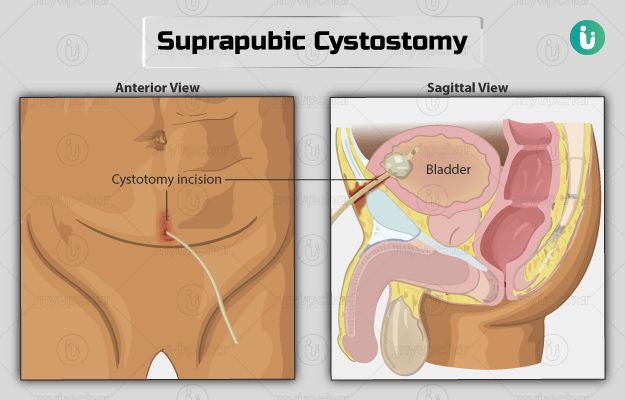
A suprapubic catheter is a tube inserted through the lower abdomen directly into the bladder, used when standard urethral catheterization is not suitable or preferred. The term superpubic catheter (an alternate spelling) refers to the same device and procedure. Whether you’re managing one at home or preparing for insertion, understanding the basics of a suprapubic catheter change and daily maintenance keeps complications at a minimum. Proper suprapubic catheter care is what determines how well long-term use goes, and knowing what the suprapubic catheter procedure involves helps you know what to expect from the start.
These catheters are used for a wide range of conditions including neurogenic bladder, urethral obstruction, prostate issues, and recovery from certain surgeries. They offer advantages over urethral catheters in terms of comfort and reduced infection risk for long-term users. That said, they require consistent maintenance and scheduled changes to work safely and effectively.
What the Suprapubic Catheter Procedure Involves
The placement procedure for a suprapubic catheter is typically performed under local anesthesia, with sedation available if needed. A small incision is made in the lower abdomen, and the tube is guided into the bladder under ultrasound or cystoscopic guidance. The catheter is secured with a balloon inside the bladder and a disc or suture on the outside skin to prevent movement.
Recovery from the suprapubic insertion procedure is usually straightforward. Most patients go home the same day or after an overnight stay. Mild soreness around the insertion site is normal for the first week, and minor bleeding in the urine is common for a day or two after placement. Knowing what normal healing looks like after the suprapubic bladder access procedure helps you distinguish expected recovery from signs of infection or displacement.
Daily Suprapubic Catheter Care Routines
Keeping the site clean is the foundation of managing your abdominal catheter long-term. Wash your hands before touching the catheter or drainage bag. Clean around the insertion site daily with mild soap and water, then dry thoroughly. Watch for redness, swelling, discharge with unusual color or odor, or skin breakdown around the tube, as these can be early signs of a site infection.
The drainage bag needs to be emptied regularly and kept below bladder level at all times to prevent backflow. Securing the tubing to your leg or abdomen prevents tension on the insertion site. Staying well hydrated helps flush the bladder and reduces the risk of blockage from sediment buildup.
Suprapubic Catheter Change: Schedule and Technique
A suprapubic catheter is not permanent and requires regular replacement, typically every four to six weeks depending on the type. The tube change procedure is usually performed by a nurse or urologist, though trained caregivers and some patients learn to do home changes under medical guidance. The balloon is deflated, the old tube removed, and a new one inserted through the established tract.
Changing a suprapubic catheter on schedule prevents blockage from mineral deposits and reduces the risk of urinary tract infection. Delaying the catheter swap beyond the recommended interval allows biofilm to build up inside the tube, which raises infection risk significantly. Some patients need more frequent changes due to high mucus production or recurrent blockages, and their schedule is adjusted accordingly.
Recognizing and Preventing Complications
Urinary tract infections are the most common complication of long-term catheter use. Symptoms include cloudy or foul-smelling urine, fever, increased spasms, and leaking around the tube. Reporting these to your provider promptly allows early treatment before the infection progresses. Routine urine cultures are sometimes scheduled to catch asymptomatic infections in people who can’t report typical symptoms.
Bladder spasms are another common challenge. They can cause urine leakage around the catheter and significant discomfort. Medications and catheter adjustments can help manage spasms effectively in most cases.
Pro Tips Recap
Clean the insertion site every day without fail, and never skip a scheduled change appointment. Keep a log of urine color, output volume, and any site changes so you can report accurately to your care team. Ask your nurse or urologist to walk you through each change procedure at least once so you understand what proper placement looks and feels like, and know immediately when something seems off.