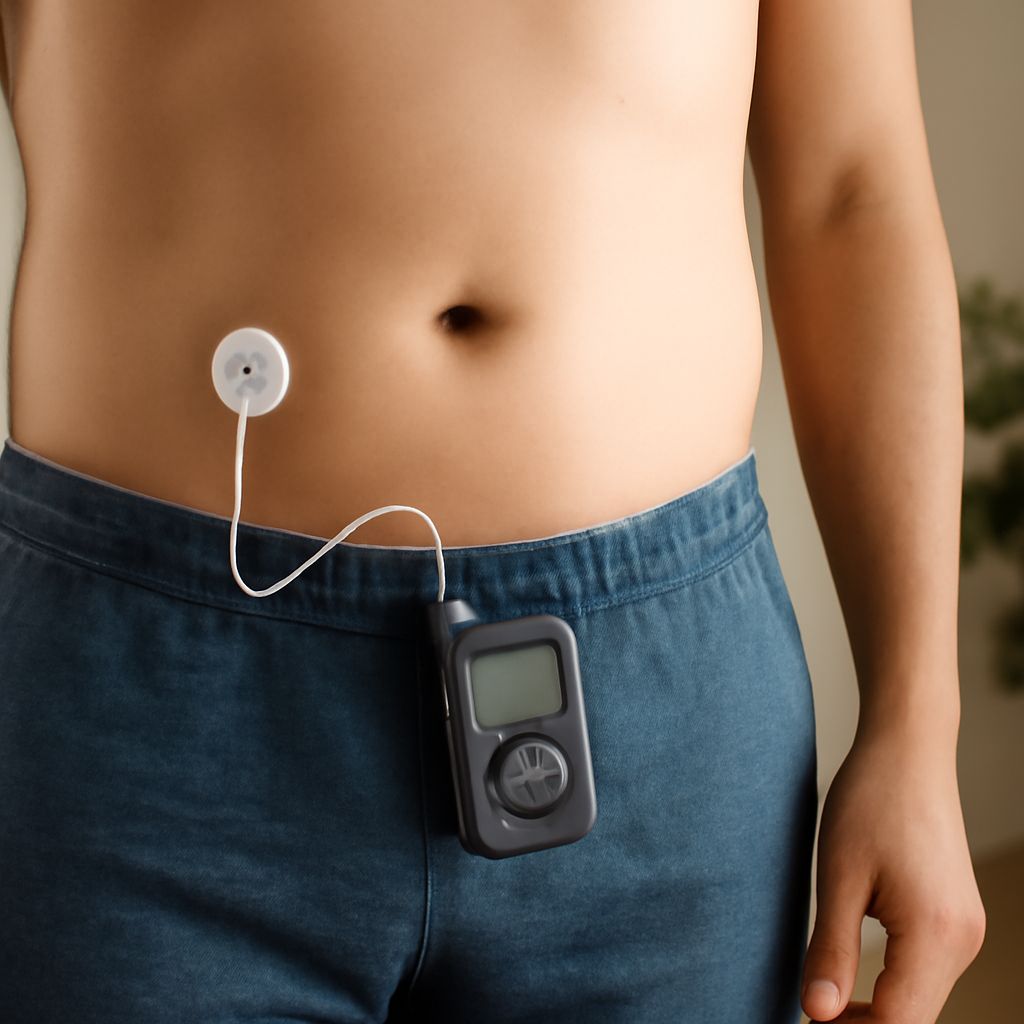
Insulin Calculator: How to Use Dosing Tools Safely and Accurately
Insulin Calculator: How to Use Dosing Tools Safely and Accurately
Managing diabetes means making precise dose decisions multiple times a day. An insulin calculator takes the variables — current blood glucose, target glucose, carbohydrate intake, and insulin sensitivity — and converts them into a suggested dose, reducing math errors that can have serious consequences. Whether you’re newly diagnosed or transitioning to a more intensive insulin regimen, understanding how these digital tools work helps you use them as intended.
This article covers the mechanics behind an insulin dosage calculator, how a sliding scale insulin chart differs from modern calculated dosing, what an insulin dose calculator actually needs from you to produce a safe number, and when an insulin conversion calculator becomes necessary. Always apply these tools in partnership with your endocrinologist or certified diabetes care educator — no calculator replaces clinical judgment.
What an Insulin Calculator Does and Why It Matters
A dosing calculator for insulin takes two primary inputs: your current blood glucose reading and, if you’re eating, the carbohydrate content of your meal. It then applies your personalized correction factor and carbohydrate-to-insulin ratio to output a suggested dose in units. The result is faster, more consistent math than doing it mentally, especially useful during meals or when glucose is running high and cognitive clarity may be reduced.
Basal vs. Bolus: What Each Tool Calculates
Insulin calculators typically focus on bolus (rapid-acting) dosing — the doses you take for meals and corrections. Basal insulin, the slow background dose, is set by your care team and adjusted over time based on fasting glucose patterns, not by a per-meal tool. Knowing this distinction prevents misapplication: don’t use a bolus computing tool to adjust your long-acting dose without medical guidance.
How a Sliding Scale Insulin Chart Works
A sliding scale insulin chart assigns a fixed dose to a range of blood glucose readings, independent of what you’re eating. If your glucose is 150–200 mg/dL, you take 2 units; if it’s 201–250, you take 4 units, and so on up the scale. This method was the clinical standard for decades and remains in use in some inpatient settings where simplicity and predictability matter more than precision.
The limitation of a glucose-range table for insulin is that it ignores carbohydrate intake entirely. Two patients with the same blood glucose reading — one who just ate a large pasta dish and one who ate nothing — will receive the same dose, even though their insulin needs differ significantly. For this reason, most current outpatient guidelines favor individualized ratio-based dosing over a fixed sliding scale insulin range. If you’re using an older chart, ask your care team whether transitioning to ratio-based calculation would better match your lifestyle.
Using an Insulin Dose Calculator for Mealtime Dosing
An insulin dose calculator combines two calculations into one result. First, it determines your correction dose: the gap between your current glucose and your target, divided by your correction factor (also called insulin sensitivity factor). Second, it calculates your meal dose: the grams of carbohydrate you’ll eat divided by your carb-to-insulin ratio. The two values are added, and any active insulin (insulin on board from a previous dose) is subtracted to prevent stacking.
Carb Ratio and Correction Factor Explained
Your carb ratio tells you how many grams of carbohydrate one unit of insulin covers. If your ratio is 1:15, one unit covers 15 grams. Your correction factor tells you how far one unit drops your blood glucose — if that factor is 40, one unit drops you roughly 40 mg/dL. Both values are determined through clinical testing and patient history, not estimated from a general chart. Using someone else’s ratio in a personal insulin computing tool will produce incorrect doses.
Insulin Conversion Calculator: Switching Between Formulations
When switching insulin types — say, from NPH to a long-acting analog, or from one rapid-acting formulation to another — an insulin conversion calculator helps your care team estimate the new starting dose. Conversion is not a simple 1:1 exchange: different insulin formulations have different potency profiles, onset times, and durations. A conversion tool for insulin formulations typically starts you at 80% of the original dose to allow a safety margin, then titrates up based on glucose log data.
If your pharmacist or physician provides a conversion factor, apply it only once, then monitor glucose closely for 48–72 hours before making further adjustments. Avoid self-adjusting insulin between formulations using online insulin-type conversion tools without clinical supervision — the risk of hypoglycemia is real and serious.
Limits of Digital Dosing Tools
An online insulin dose computing tool cannot account for illness, unusual physical activity, hormonal changes, or the gastroparesis that slows carbohydrate absorption in some patients. It works from the inputs you provide, and if those inputs are wrong — a miscounted carb estimate or a glucose meter with calibration drift — the output will be wrong too. Use calculated doses as a starting point, not a final order. Log your doses and resulting glucose values so your care team can refine your ratios over time.
Safety recap: Never adjust insulin doses based solely on a calculator output without your care team’s input. Always carry fast-acting glucose in case of hypoglycemia, and test your blood glucose before acting on any calculated correction dose.