Pain After Catheter Removal: What to Expect and When to Call Your Doctor
Pain After Catheter Removal: What to Expect and When to Call Your Doctor
Pain after catheter removal is one of the most commonly reported post-procedure complaints, and it ranges from mild discomfort to significant burning that makes urination feel alarming. Blood in urine after catheter insertion is also frequently observed in the first 24 hours and usually reflects minor mucosal irritation rather than a serious complication. Understanding what to expect after a catheter is removed helps you distinguish between the normal healing process and signs that require medical attention.
This article covers painful urination after catheter removal, why it happens, what the experience looks like specifically for male patients (pain after catheter removal male), and the red flags that warrant a call to your provider or a visit to urgent care.
Why Discomfort Occurs After Catheter Removal
How Catheters Affect the Urethra
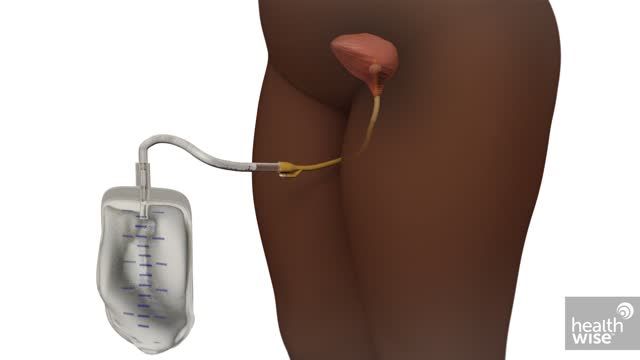
A urinary catheter passes through the urethra into the bladder. Even a well-placed catheter causes some degree of mucosal friction and mechanical irritation during insertion, during the time it’s in place, and when it’s removed. The urethral lining is sensitive, and any foreign object in contact with it for hours or days produces localized inflammation. This inflammation is the primary driver of the burning and discomfort you feel when urinating after catheter extraction.
The bladder itself may also experience spasms after catheter removal — particularly if the catheter was in place for several days. Bladder muscle spasms produce a cramping sensation in the lower abdomen that’s distinct from urethral burning and typically resolves within 12–24 hours.
Blood in Urine After Catheter Insertion and Removal
Pink or lightly blood-tinged urine (hematuria) in the first one to two voids after catheter removal is common and expected. Blood in urine after catheter insertion trauma reflects small capillary disruptions in the urethral or bladder lining. This typically clears within 24 hours as you stay well hydrated and urinate regularly. Bright red blood, clots, or blood that persists beyond 24–48 hours is not part of the expected post-catheter experience and should prompt medical evaluation.
What to Expect After a Catheter Is Removed
Normal post-removal experience typically includes:
- Mild to moderate burning or stinging with the first one to three voids
- Urgency — a strong, sudden urge to urinate — particularly in the first few hours
- Frequency — urinating more often than usual as the bladder adjusts
- Light pink discoloration of urine for the first day
- Slight difficulty initiating urination, especially in men
What to expect after a catheter is removed in terms of timeline: most discomfort improves significantly within 24–48 hours. If you’re still experiencing significant burning or frequency beyond 72 hours, a urinary tract infection may have developed and should be evaluated.
Pain After Catheter Removal in Male Patients
Pain after catheter removal in male patients is often more pronounced than in female patients for anatomical reasons — the male urethra is longer (approximately 18–20 cm versus 4 cm in females), which means the catheter traverses more tissue and creates more surface area for irritation. Men also have a more narrow urethral lumen at the external sphincter, which can be particularly sensitive post-removal.
Difficulty starting urination is more common in men after catheter removal, particularly those with pre-existing benign prostatic hyperplasia (BPH). If you haven’t urinated within 4–6 hours of catheter removal and feel uncomfortable pressure, contact your care team — urinary retention post-catheter is a recognized complication that requires prompt intervention.
Painful urination after catheter removal for male patients that is severe, associated with penile discharge, or accompanied by fever raises concern for urethral injury or infection and warrants same-day evaluation.
When to Contact Your Doctor
Contact your healthcare provider or go to urgent care if you experience:
- Inability to urinate within 6 hours of catheter removal
- Fever above 38°C (100.4°F)
- Bright red urine or passage of clots after the first 24 hours
- Severe pain that doesn’t improve with your first few voids
- Foul-smelling urine, cloudy urine, or discharge
- Chills, back pain, or flank pain (suggesting upper urinary tract involvement)
Key takeaways: Mild burning and light pink urine after catheter removal are expected and usually resolve within 48 hours with adequate hydration. Inability to urinate, high fever, or persistent bright red blood are not normal and require prompt medical evaluation. Drinking plenty of water in the first 24 hours after catheter extraction is the single most effective self-care measure for reducing post-catheter discomfort.