How Long Do Biopsy Results Take: A Realistic Timeline
How Long Do Biopsy Results Take: A Realistic Timeline
After a biopsy procedure, waiting for results is one of the most stressful parts of the experience. How long do biopsy results take depends heavily on what type of tissue was sampled and how busy the pathology lab is. How long does it take to get biopsy results for routine cases typically falls between three and seven business days. How long does it take to get a biopsy back can stretch to two weeks or more for complex specimens requiring special stains or additional testing. The biopsy results time also varies by tissue type—skin biopsies process faster than organ biopsies because the preparation steps are simpler. How long does it take to get skin biopsy results is a common question, and for straightforward cases, most patients hear back within five to seven days.
Factors That Affect How Long Biopsy Processing Takes
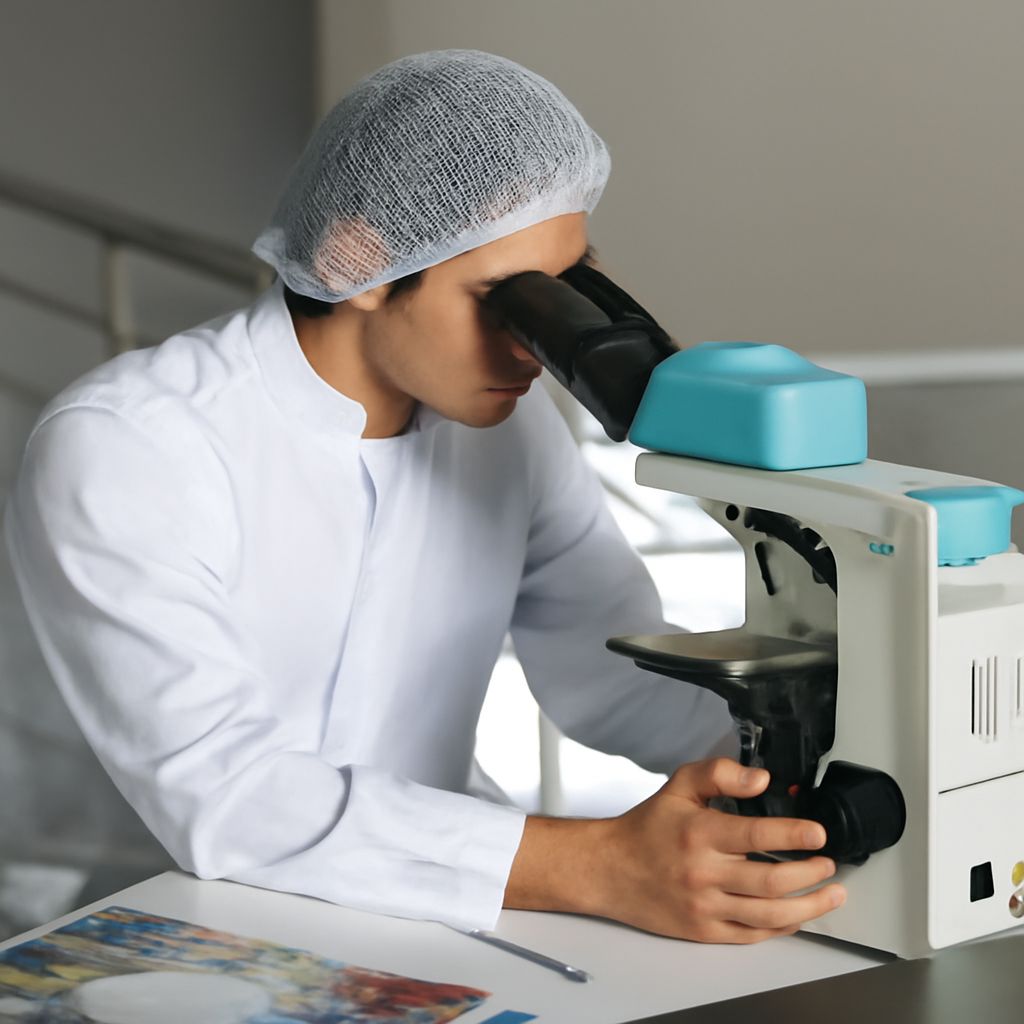
The pathology workflow involves several steps before a result is ready. First, the tissue must be fixed in formalin—a process that takes 24 to 48 hours. Then it’s embedded in paraffin wax, sectioned into thin slices, and stained before a pathologist examines it under a microscope. If the initial staining raises questions, additional immunohistochemical stains are ordered, adding two to four more days. When asking how long does it take to get biopsy results for a lymph node or liver sample versus a skin punch biopsy, the organ biopsy takes longer due to tissue density and the complexity of what the pathologist needs to assess. Lab backlogs, weekends, and holidays all extend biopsy results time beyond the standard window.
Skin Biopsy vs. Other Tissue Types
Skin biopsies are among the fastest to process. The tissue is thin, easily prepared, and stains quickly. For most patients wondering how long does it take to get skin biopsy results, the answer is five to seven business days under normal conditions. A dermatopathology lab that specializes exclusively in skin tissue may turn results around in three days. By contrast, bone biopsies require a decalcification step that adds several days. Gastrointestinal biopsies taken during an endoscopy are typically processed within three to five days, similar to the timeline for getting a biopsy back from a routine colonic polyp. Sentinel lymph node biopsies done during cancer surgery may be rushed for intraoperative assessment, but the final permanent section still takes three to five days.
What to Do While Waiting for Results
Ask your provider’s office for a specific callback date rather than waiting indefinitely. Most practices have a policy on contacting patients within a defined window after results are received. You can also ask whether a patient portal will show results when they post—many now do, sometimes before a provider has reviewed them. If biopsy results time is dragging past two weeks, calling the office to request a status check is appropriate. Document when the biopsy was taken and confirm that the lab received the specimen. Occasionally samples are lost or mislabeled, and following up promptly can surface those issues earlier. For urgent or cancer-related cases, ask specifically whether your provider has flagged the case for expedited processing—some labs prioritize these.