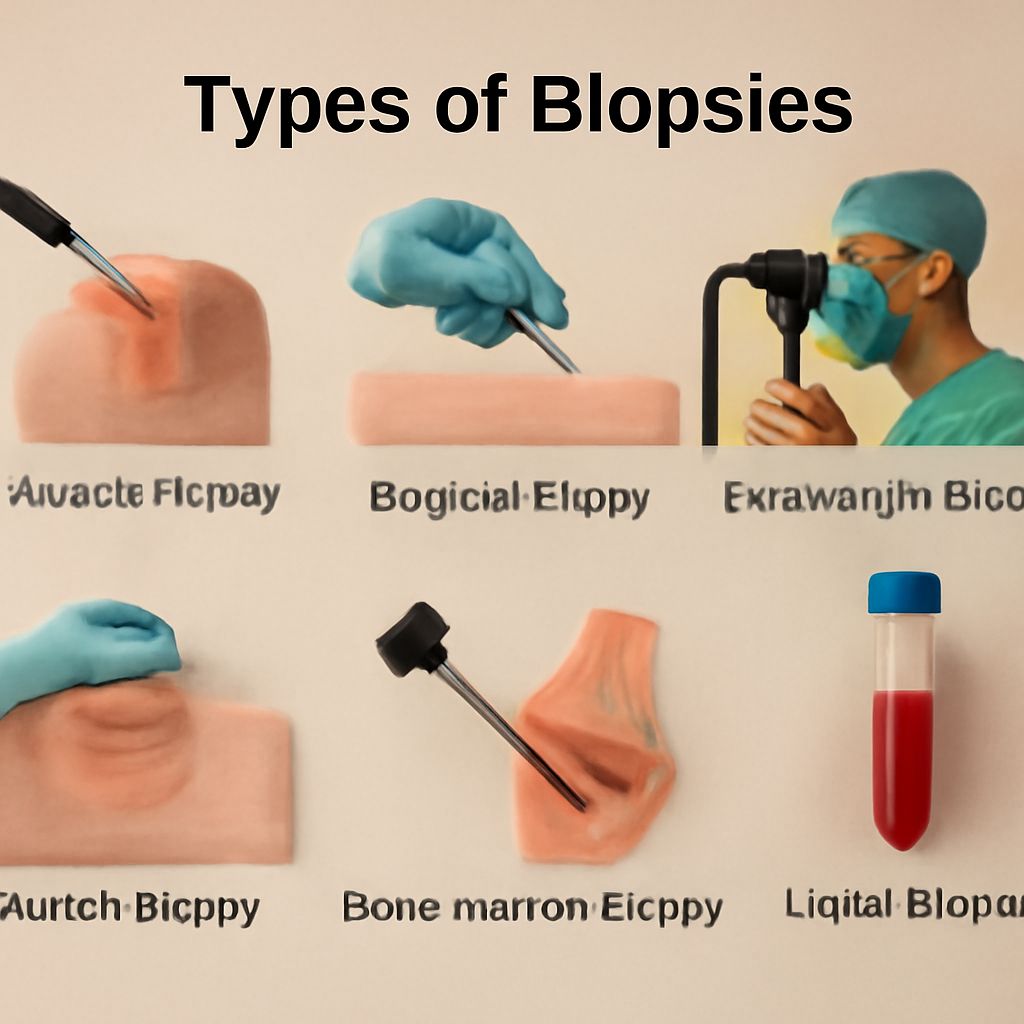
If I Have Cancer Will My Biopsy Results Come Back Fast?
If I Have Cancer Will My Biopsy Results Come Back Fast?
Waiting for test results is one of the most anxious stretches in a patient’s experience. The question many people ask their provider is direct: if i have cancer will my biopsy results come back fast? The answer depends on the tissue type, the lab’s workload, and what additional testing is ordered. How long for biopsy results varies from a few days to several weeks. Understanding the process helps set realistic expectations and reduces some of the uncertainty.
How long do pathology reports take? A standard surgical biopsy typically requires 3 to 7 business days for a final report. Skin biopsy healing pictures posted online can show what the incision site looks like at various stages, but they do not predict how long lab analysis takes. Pictures of infected skin biopsy site can help patients identify whether a wound is healing normally or developing complications during that waiting period.
How Long for Biopsy Results
Routine vs. Urgent Processing Times
Routine biopsies follow a standard tissue processing workflow. The sample is fixed in formalin, embedded in paraffin, sliced thin, stained, and reviewed under a microscope by a pathologist. Each step takes time, and the tissue must complete each stage before the next can begin.
Turnaround time for routine tissue processing runs between 3 and 5 business days in most laboratory settings. More complex samples may require special stains or immunohistochemistry, which adds 1 to 3 days. Bone biopsies require decalcification, which can add another week.
When a surgeon needs immediate guidance during an operation, a frozen section is used. This technique provides a preliminary result in 20 to 30 minutes but is less detailed than permanent section analysis. A full pathology report still follows.
What Affects Lab Turnaround
Lab volume, specimen complexity, and whether additional tests are ordered all affect how quickly a biopsy report is completed. If the pathologist identifies something unusual, they may consult a subspecialist or send slides for a second opinion before issuing a final result.
Knowing how long pathology departments take under different conditions helps patients understand why results arrive at different speeds. A routine skin shave biopsy may come back in 3 days; a lymph node excision may take 10 days or more.
Skin Biopsy Healing: What to Expect
Signs of Healing vs. Infection
Most skin biopsy sites close within 1 to 2 weeks. The area may appear red, slightly swollen, or bruised during the first few days. This is part of normal healing and does not indicate a problem.
Photos of skin biopsy healing at various stages show that early redness fades by day 4 to 5, and the scab begins to form and separate by the end of the first week. Reviewing skin biopsy healing images can help patients distinguish expected changes from true warning signs.
Signs of infection include increasing redness spreading beyond the biopsy site, warmth, pus, and pain that worsens rather than improves after the first 48 hours. Pictures of an infected skin biopsy site typically show erythema with a red border that grows larger over time. If these signs appear, contact your provider promptly.
Next Steps After Receiving Your Pathology Report
Once biopsy results arrive, review them with your ordering provider rather than interpreting them alone. Pathology reports use medical terminology that requires clinical context to understand fully. Your provider can explain what the findings mean for your specific situation and recommend next steps. If the results are inconclusive or borderline, ask whether a repeat biopsy or additional testing is warranted. Early follow-up after receiving results improves the speed of any needed treatment decisions.